Coatings & Additives
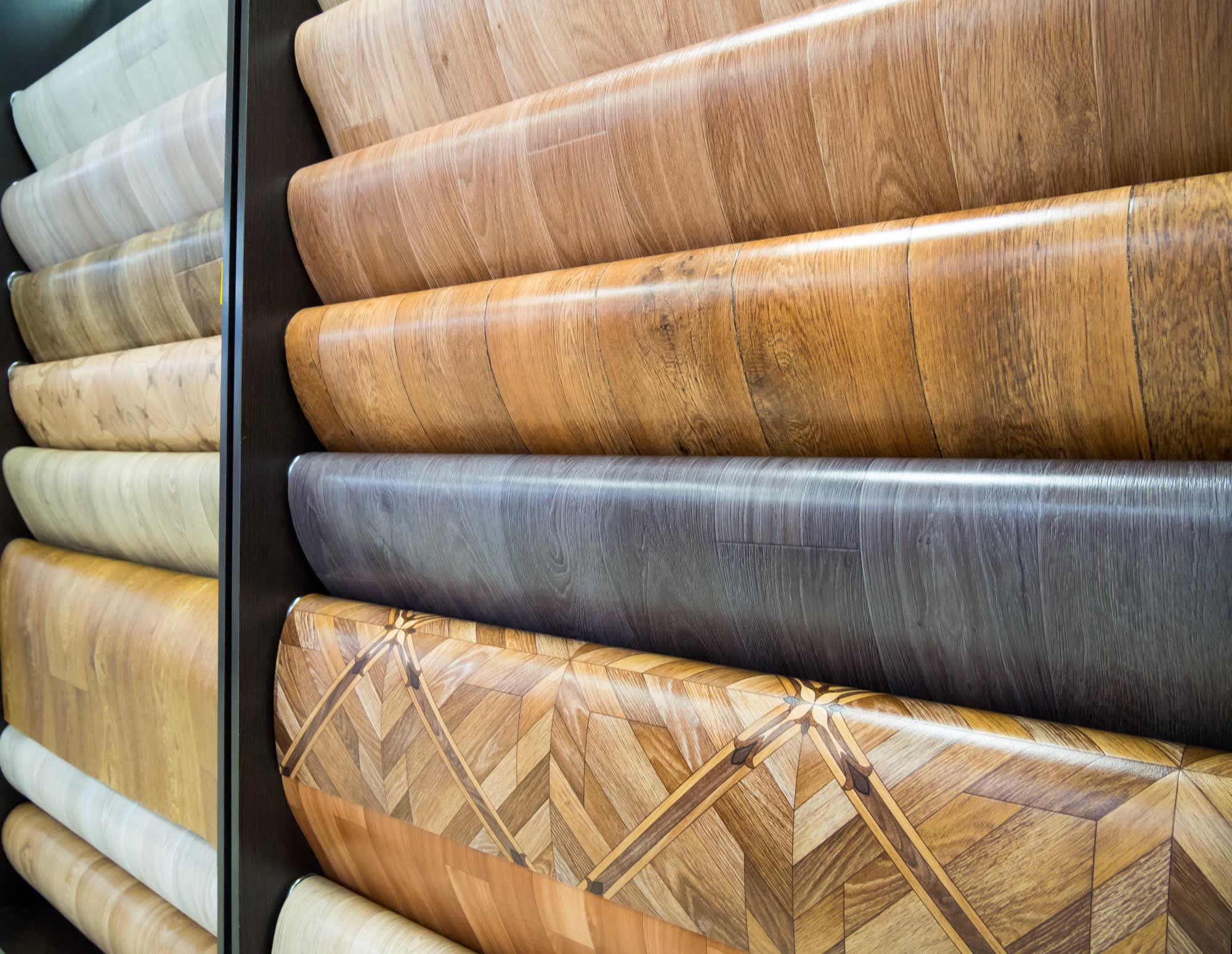
Antistatic plasticizers for PVC flooring: static control built into the compound
What an antistatic plasticizer does in flexible PVC, the ESD tiers and standards, how to dose and qualify it, and PATstat 313, the grade P.A.T. Products makes for LVT, VCT and sheet vinyl.
Coatings & Additives
Replacing a discontinued cationic antistat in a polyurethane system
Match active content, carrier and hydroxyl value, form and dose, then qualify at 12 and 50 percent humidity. The Deuteron LE grades and what each brings into the cross-link.
Coatings & Additives
PMU vs silica matting agents: what the organic grade buys, and what it costs
Silica mattes more per percent and costs less per kilo. Polymethylurea needs a slightly higher dose and gives lower viscosity, polish resistance and soft feel. How to cost the two per gloss unit.
Coatings & Additives
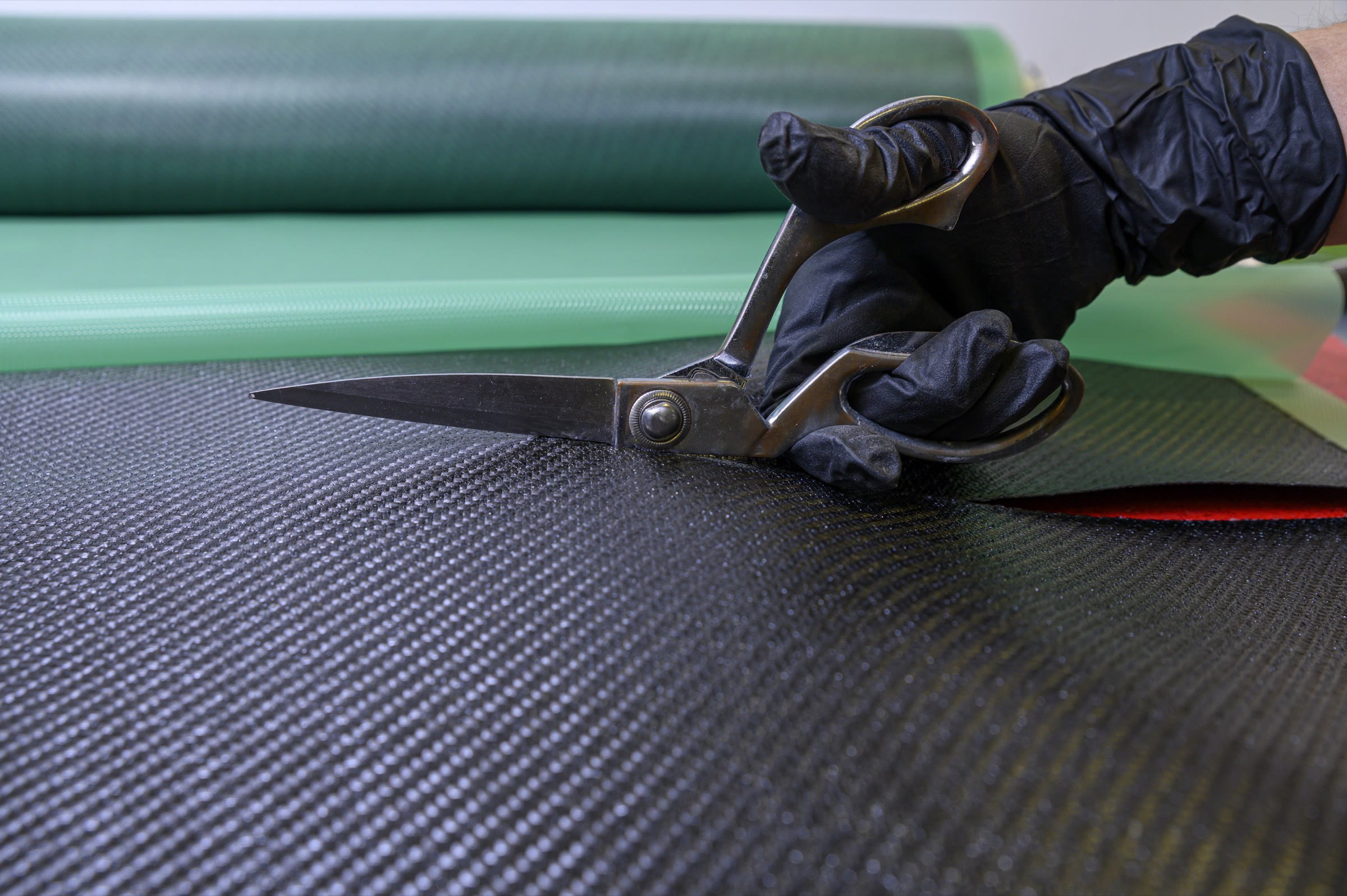
Sizing, chopping, and blade life in carbon fiber converting
Blade life is partly a sizing property. How film former stiffness, now a published number, and electrostatic dissipation change cutting force, fuzz, and blade wear.

Printing & Pressroom
How gum arabic desensitizes an offset plate
The adsorption mechanism behind litho gum, where it sits against the acid and the inhibitor, and the four failure modes a formulator designs around.
Printing & Pressroom
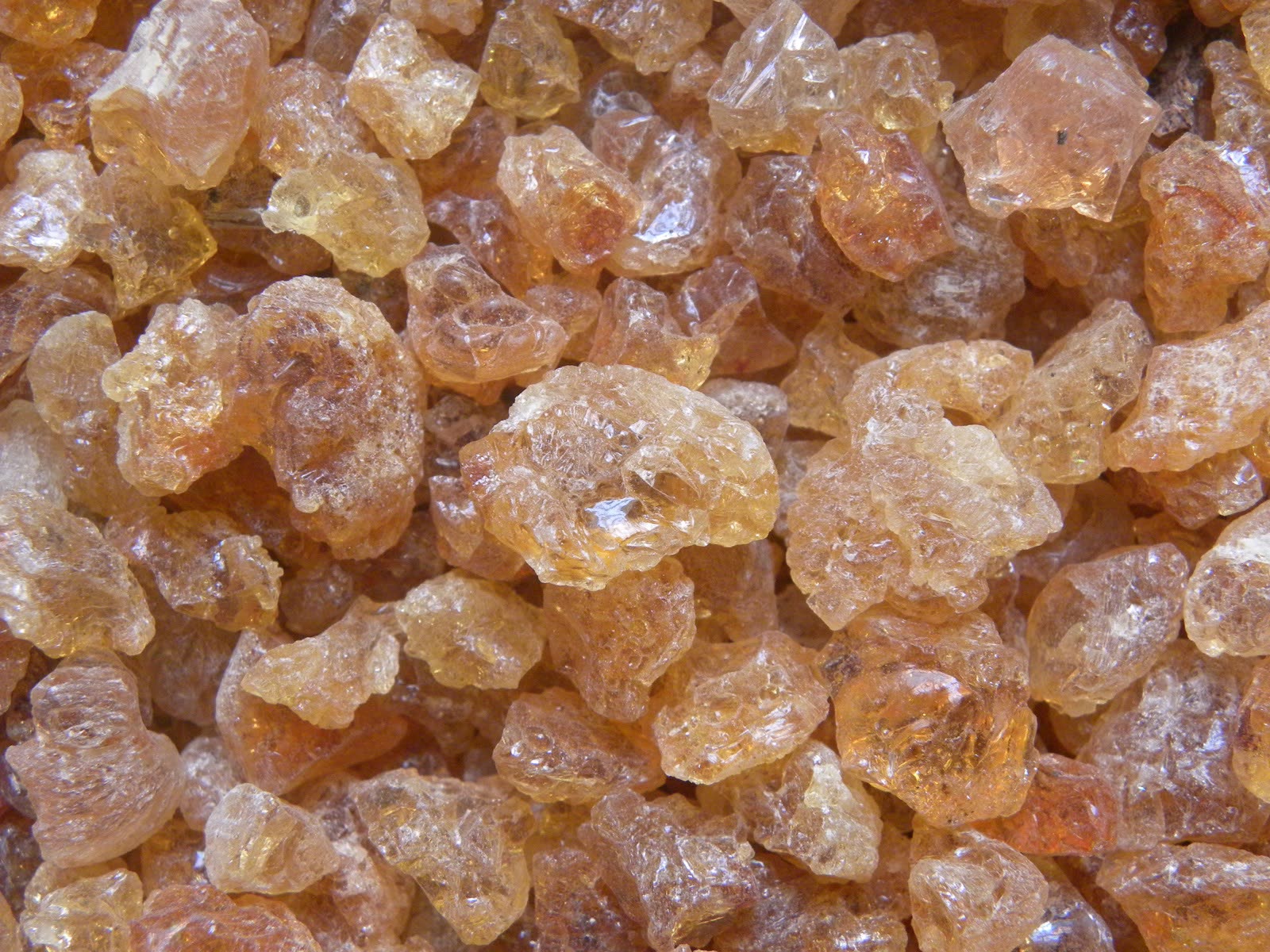
Moving a fountain solution off kibbled gum arabic
Kibbled gum has to be ground before it dissolves. What comes out of the plant, and the six things to re-measure after the swap.
Industry & Supply Chain
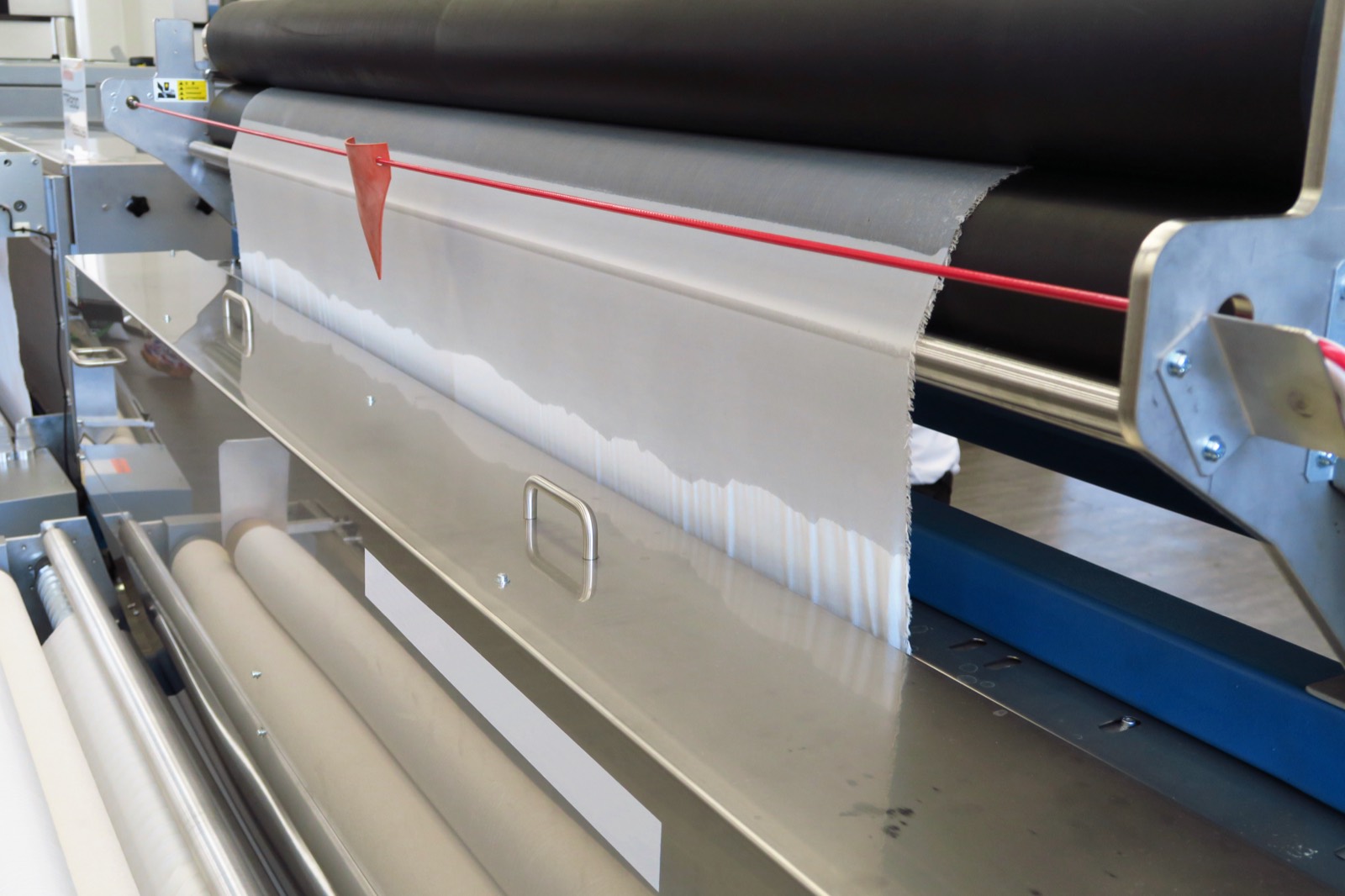
P.A.T. Products at Advanced Textiles Expo 2026, booth 428
November 3 to 5 in Orlando, sharing the stand with ROWA Lack and the lacquer manufacturer in person. Free show floor access with code EX26VIPROW.

Coatings & Additives
Plasticizer migration in PVC-coated fabric
Why plasticizer moves, the three routes out, the four ways it shows up in service, and what a barrier topcoat can and cannot do about it.
Coatings & Additives
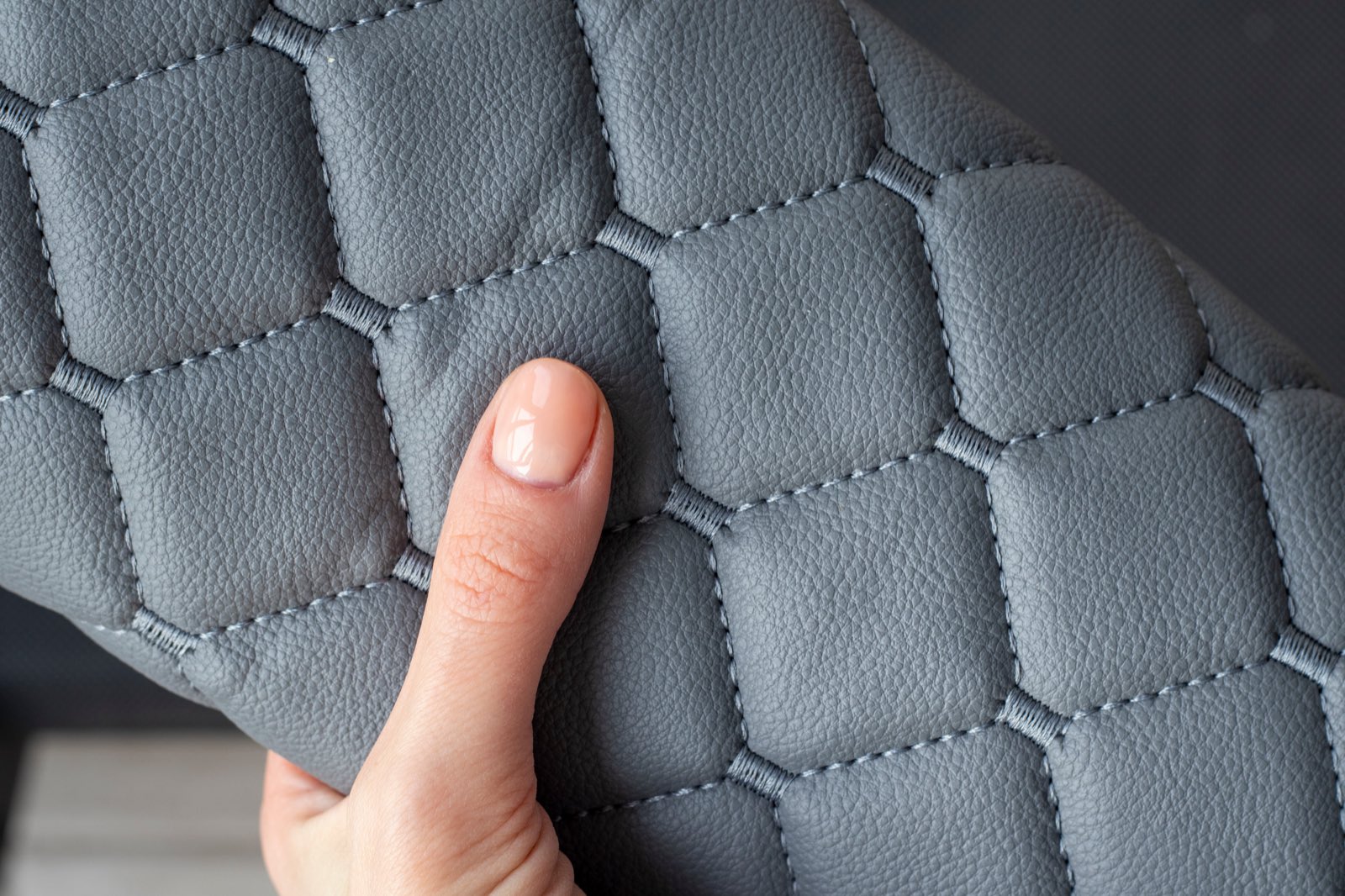
Waterborne 2K anti-graffiti lacquers for vinyl and synthetic leather
Pot life over eight hours, anilox roller or doctor blade, dried at 140 C for one minute. What the catalyst does, and what the finish actually removes.

Coatings & Additives
UV protection primers for PVC architectural membrane
More than 80 percent of solar UV filtered while visible transparency stays above 70 percent. Why membranes fail at the lacquer interface, and how the two-layer system answers it.
Coatings & Additives
Choosing a topcoat lacquer for PVC-coated fabric
Acrylic, polyurethane, and PVDF compared by end use, with solids ranges, 1K versus 2K, waterborne versus solventborne, and what welding does to the choice.
Pigments & Color
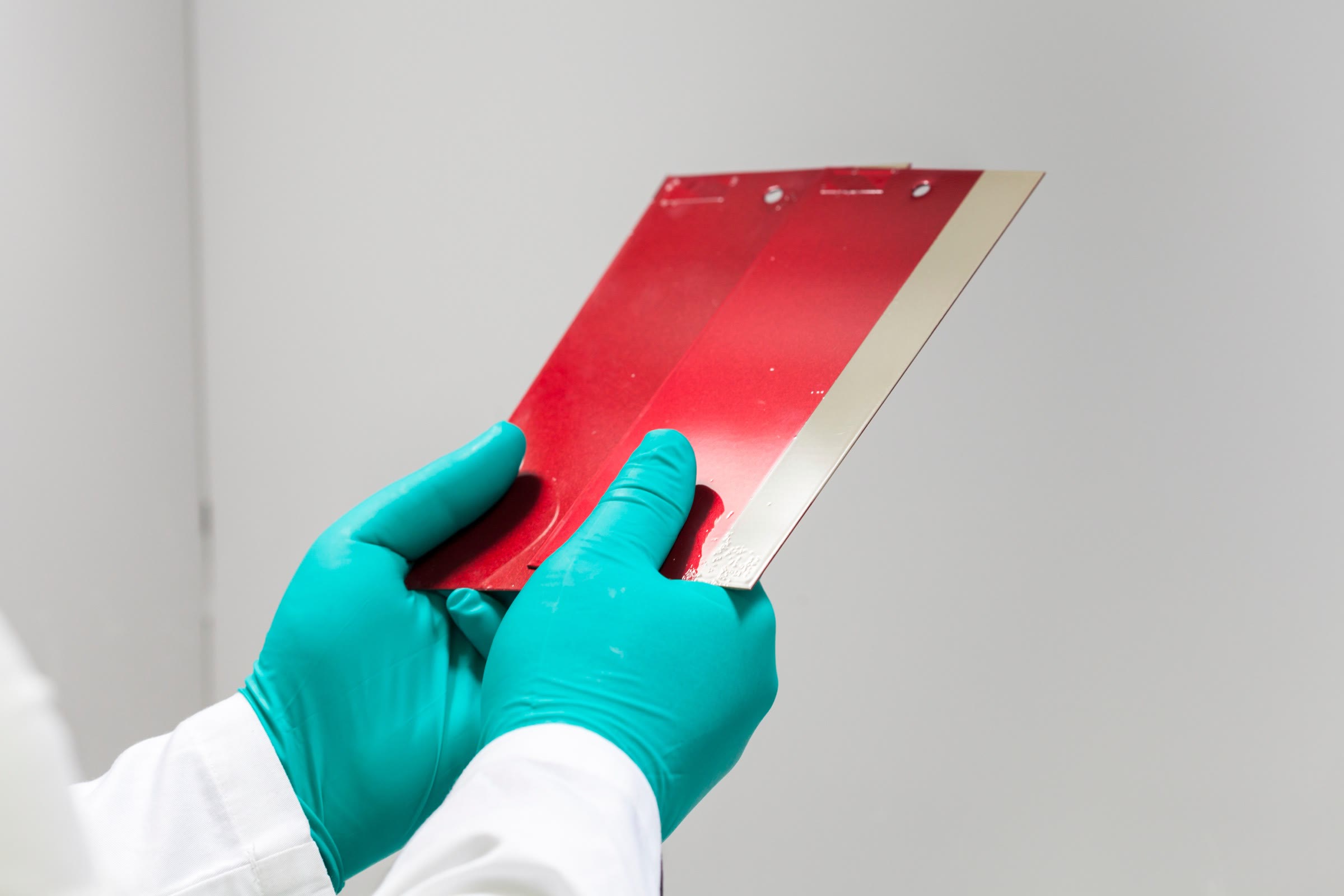
Standard color palettes for epoxy system houses
A black, a white and a light-to-dark grey range to sell under your own name, with custom matching behind it and one carrier across epoxy, cast polyurethane and plastisol.
Pigments & Color
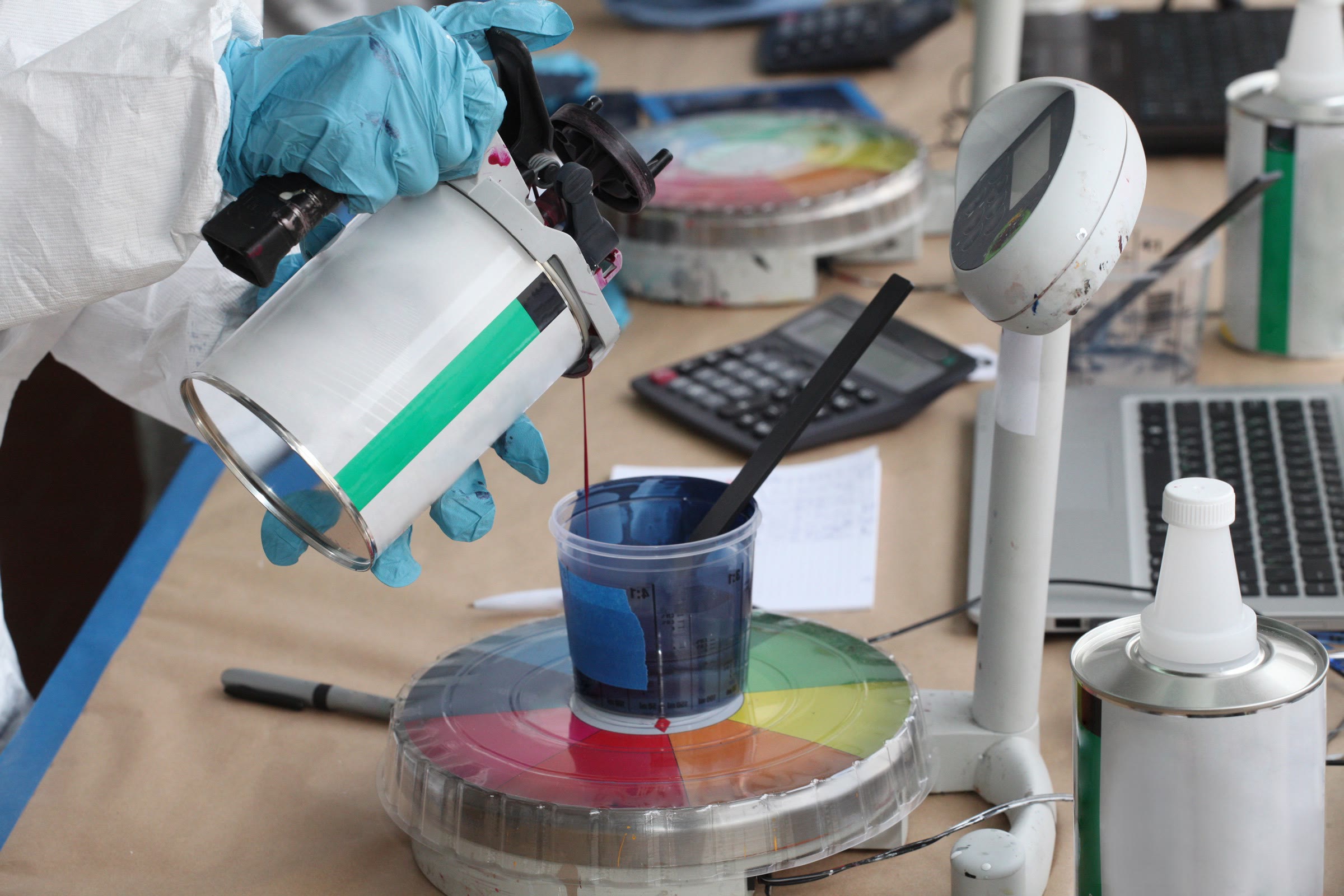
Replacing a liquid colorant you can no longer buy
Reverse matching from a physical part when the grade is gone: what to send, how the match is confirmed in your own system, and what comes back with the batch.
Pigments & Color
How much colorant to add to cast polyurethane
One to two percent typical, four percent maximum of the total system. Why the right number depends on the pigment, and what the percentage is a percentage of.

Pigments & Color
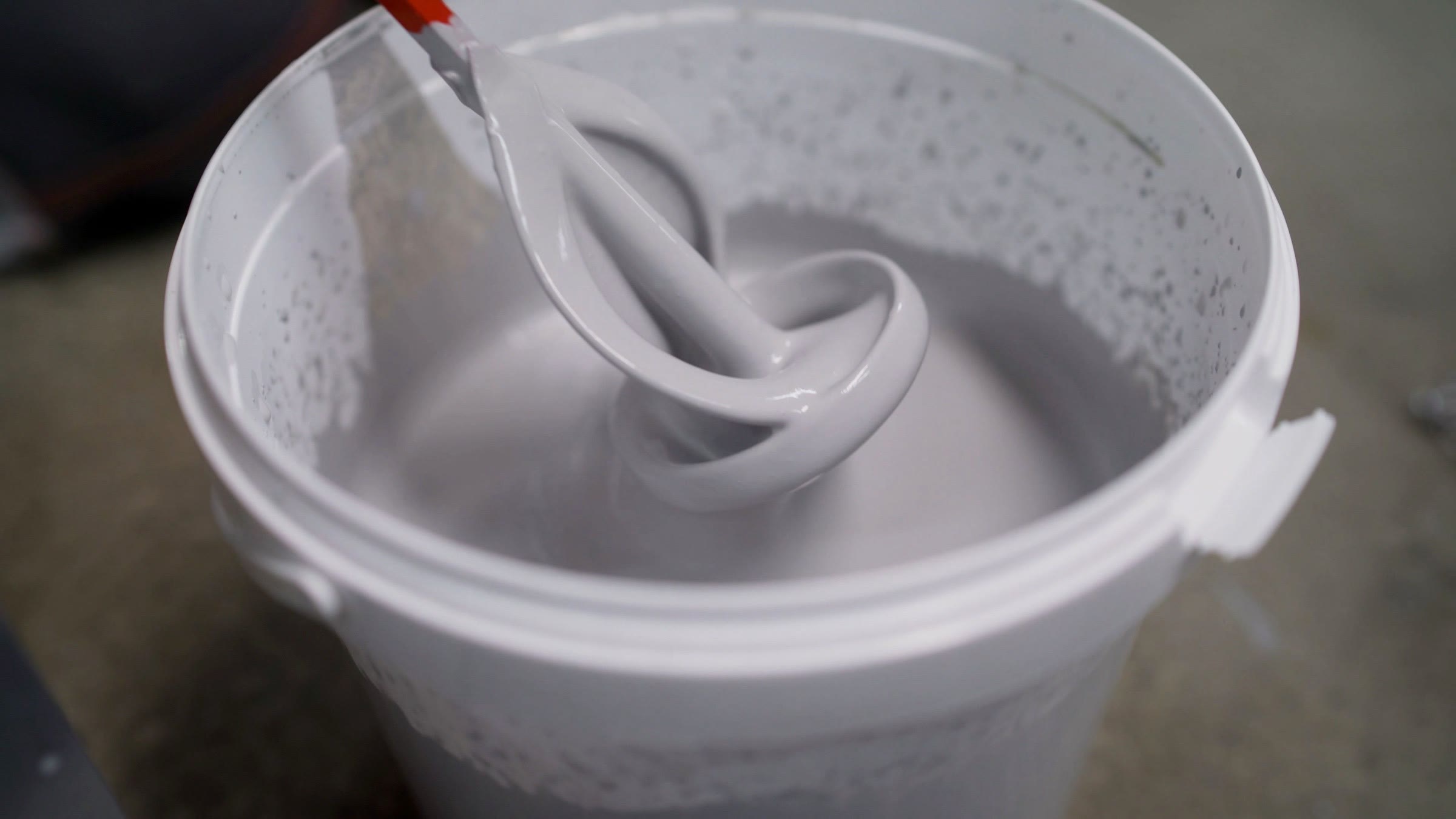
Coloring plastisol for dip molding, rotocast, and coated fabric
Why a plasticizer-carried dispersion is native to a plastisol compound, the 2 percent let-down and what it is measured on, and fusion as a pigment-selection question.
Pigments & Color
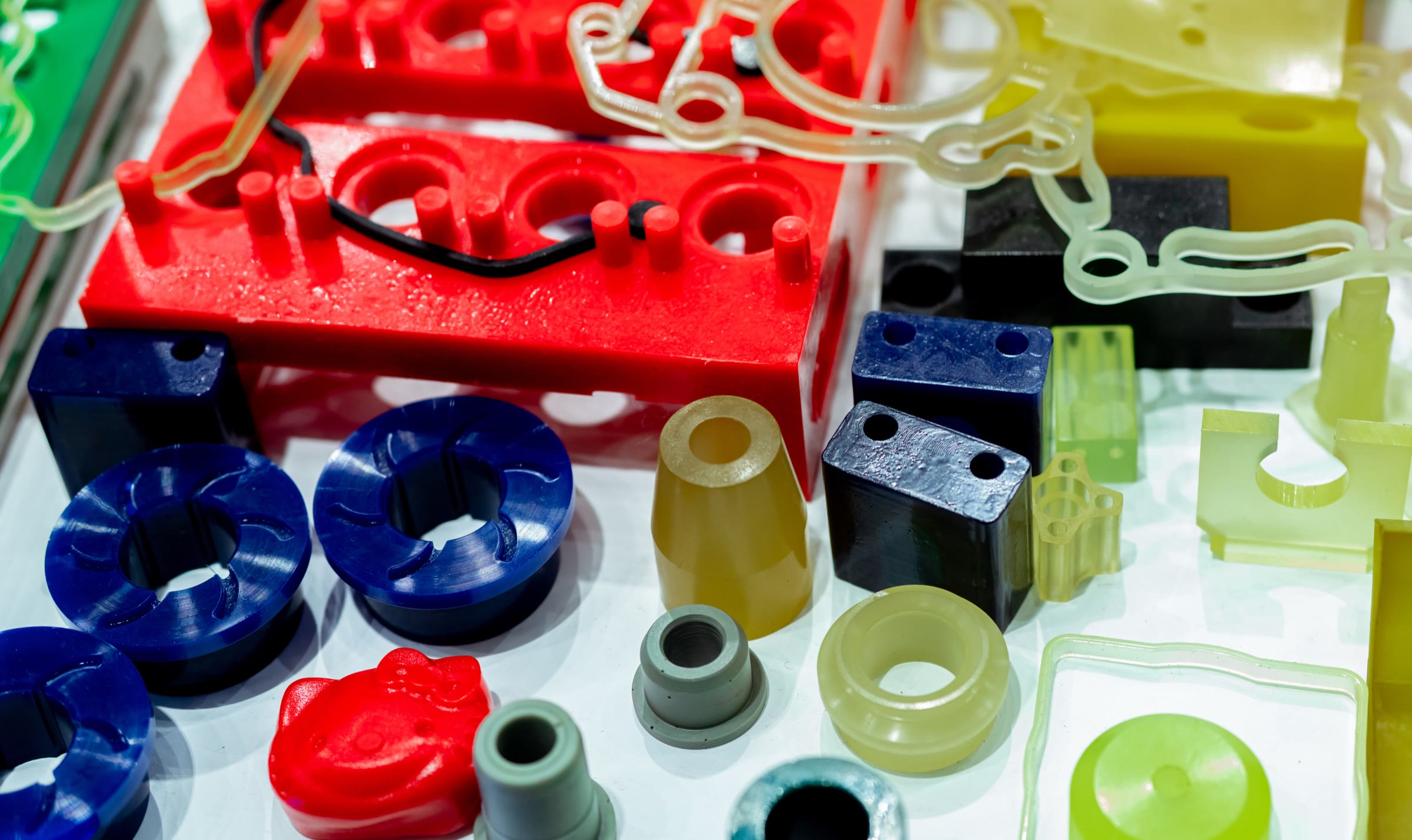
Coloring epoxy systems: what goes in, which side, and how much
Why an ester carrier takes no part in the amine-epoxy cure, which component takes the color and why the question is real, addition rates and what the percentage is a percentage of.
Pigments & Color
Choosing the carrier for a polyurethane pigment dispersion
The carrier stays in your part. How polyether polyol, plasticizer, benzoate, and vegetable oil carriers differ, and which systems each one belongs in.
Coatings & Additives
Static-dissipative vs conductive flooring: the numbers and the tests
What antistatic, static-dissipative, and conductive mean in ohms, which test method produces each number, and why humidity changes the answer.

Pigments & Color
Choosing a dispersant for pigment concentrates
Wetting versus stabilization, matching the anchor to titanium dioxide, carbon black, and organic pigments, and dosing from surface area instead of weight percent.

Coatings & Additives
Choosing a film former for carbon fiber sizing
Matrix first, then Tg for the hand of the tow, then particle size, non-ionic stability, and downstream heat. The selection sequence, with honest limits.
Coatings & Additives
Re-sizing recycled and converted carbon fiber
Reclaimed fiber comes back bare: fluffy, hard to feed, poorly bonded. How a fresh film former restores handling, choppability, and matrix adhesion.
Coatings & Additives
Non-phthalate plasticizer selection by polymer and application
Match the chemistry to the polymer first: citrates for PVC and cellulosics, sulfonamides for nylon and polar resins, reactive grades for thermosets, and the documentation that closes qualification.
Coatings & Additives
Plasticizers for nylon and polyamide: how sulfonamides work
Nylon filters out most of the plasticizer catalog. Why sulfonamides stay compatible, which grade goes where, and what they change in the compound.
Coatings & Additives
Plasticizers in hot-melt and PVAc adhesives
The plasticizer sets tack, cold flexibility, and open time, and the wrong one migrates out of the bond. How to choose for polyamide hot melts, PVAc, and food packaging.
TPU & Elastomers
TPU buyer's guide: chemistry, durometer, and grade selection
Select in the right order: chemistry, hardness, processing, documentation. The sequence that avoids failed durability tests, plus what to check in a supplier.
TPU & Elastomers
What is TPC-ET, the thermoplastic copolyester elastomer?
The ISO 18064 definition, what the ET suffix means, why TEEE and COPE and TPE-E name the same material, and how the family differs from TPU and from the other TPEs.

TPU & Elastomers
Matching a TPC-ET spec: a Sipolprene cross-reference guide
The five spec values that determine a copolyester elastomer match, what the grade suffixes encode, and how to qualify the cross-reference on your tooling.
TPU & Elastomers
TPU processing and regrind: drying, defects, and fixes
Most TPU defects are moisture wearing different costumes. The drying discipline, the defect diagnostic list, and the regrind rules that protect part quality.
Adhesives
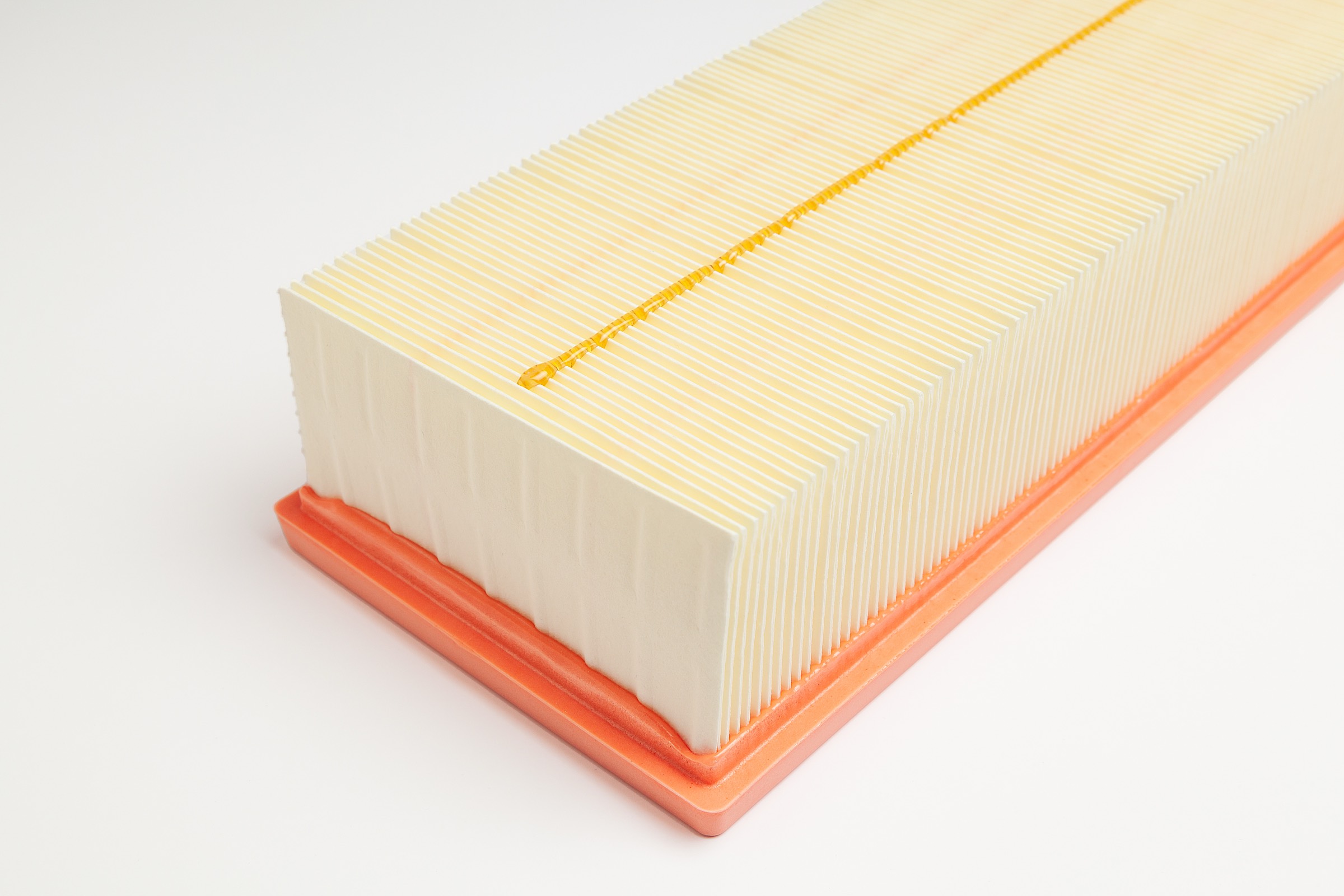
Hot-melt adhesives for filter manufacturing: a selection guide
The adhesive is a structural part of every filter element. What it does, how copolyester and copolyamide divide the work, and what decides a grade.
Adhesives
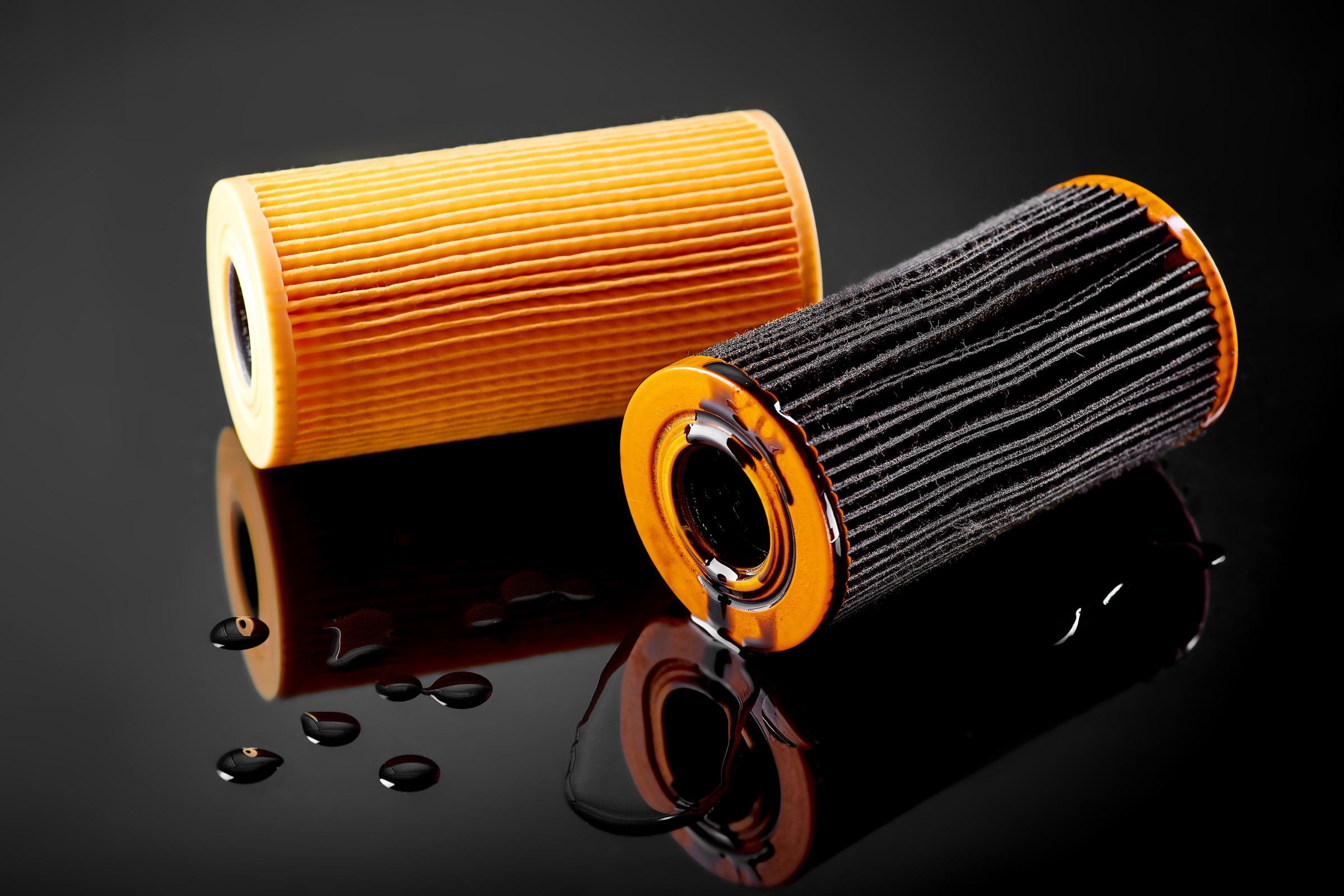
Metal-free oil filter elements: how hot melt replaces the end caps
Eco cartridge elements close the media with molded adhesive instead of stamped metal. The duty it survives, and why the industry keeps switching.
Shellac
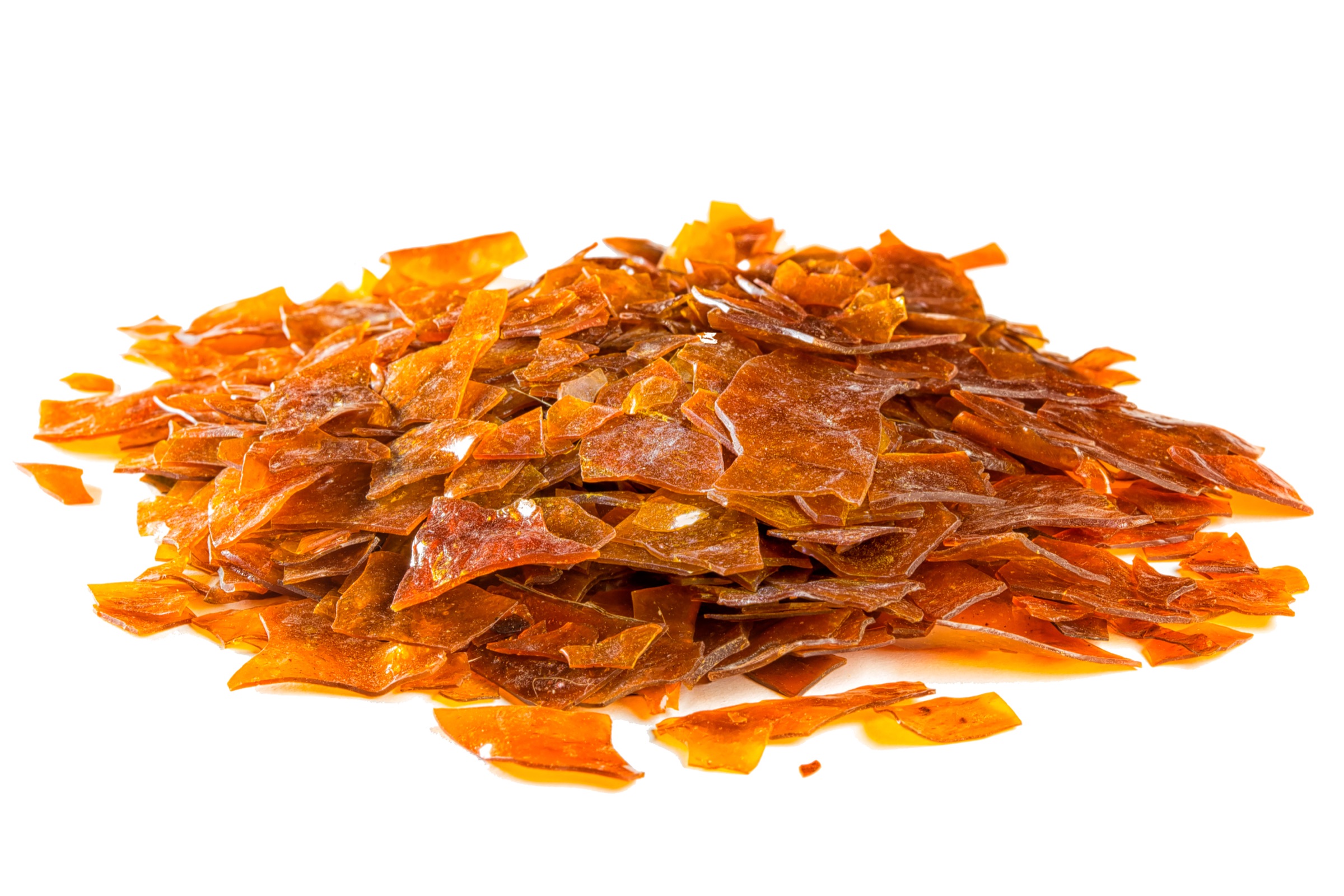
Where to buy shellac flake in the US: a specifier's guide
Five checks that separate shellac suppliers: US stock, a COA on every lot, stated freshness, grade range, and documentation matched to the application.

Shellac
Shellac in stain-blocking primers: formulation notes
Why shellac blocks tannin, nicotine, and water marks that defeat acrylics, and the cut, solvent, pigment, and grade variables behind a shellac primer.
Shellac
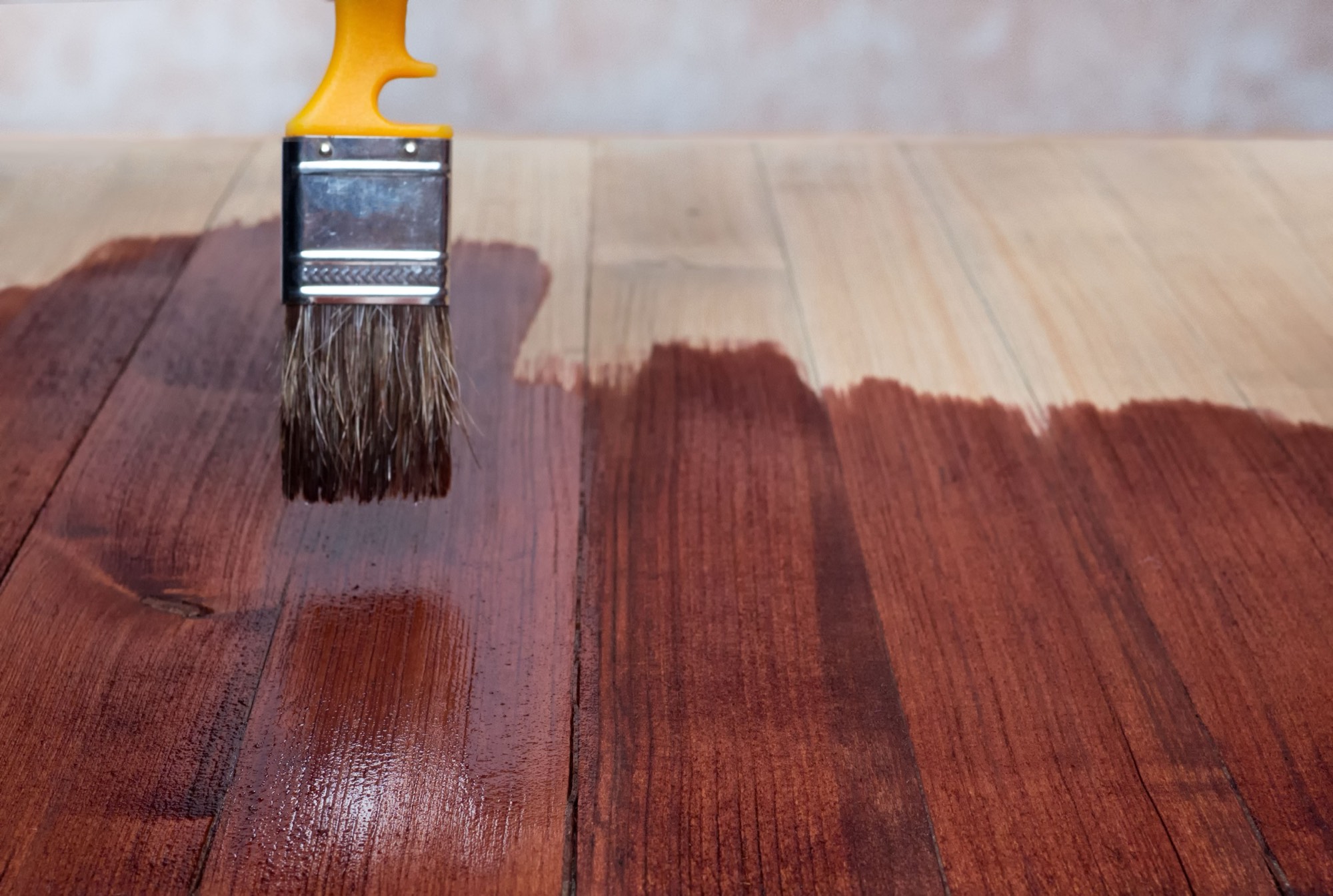
Dewaxed vs waxy shellac in wood finishing
The 5% natural wax decides what shellac can safely do: waxy flake when shellac is the finish, dewaxed when anything goes over it.

Technical Reference
Calcium stearate in rigid PVC: dosing and co-stabilizer patterns
How one metal soap scavenges acid, lubricates, and promotes fusion in Ca/Zn systems, and how the dose balances stability against fusion and plate-out.
Technical Reference
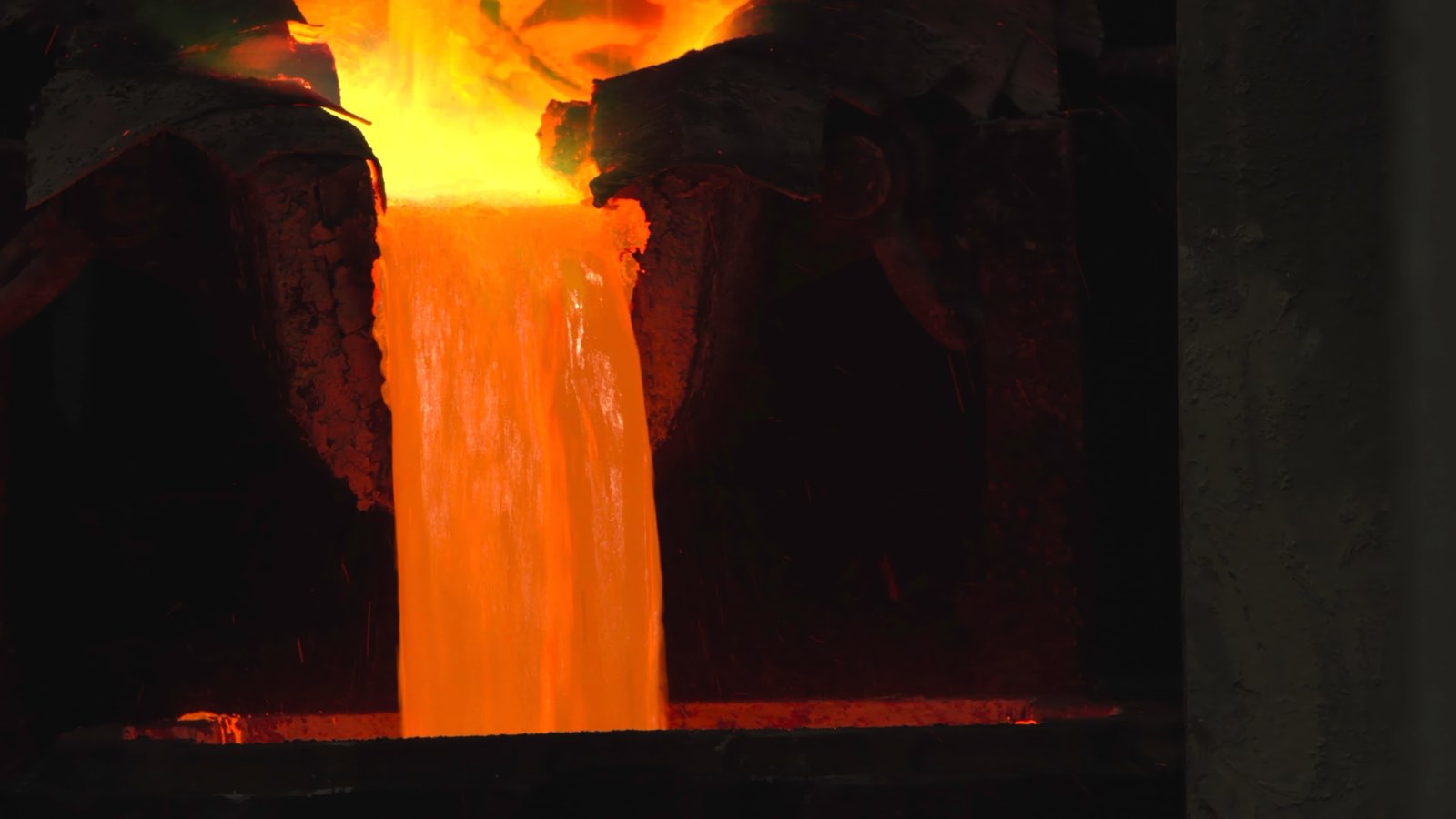
Resol vs novolac phenolic resin: how to choose
One resin family, two chemistries: the self-curing liquid and the stable powder that cures on command. Which one each process needs, and how to spec it.
Water & Corrosion
BTA dosing in closed-loop cooling systems
Closed loops lose azole quietly. Passivation vs maintenance dosing, the four depletion paths, and the residual test that keeps copper protected.

Water & Corrosion
Choosing between solid and liquid azole feed
Granular BTA and TTA cost less per active; solutions pour and meter. How formulators, plants, and service trucks each land on the right form.

Technical Reference
What is calcium stearate used for? PVC, construction, rubber, paper, and grease
One metal soap, a different job in every industry that buys it. Where calcium stearate goes, what it does there, and when the spec should say low ash.

Pigments & Color
Berry Amendment compliant color for footwear and defense
Color is a domestic component under the Berry Amendment. How our US-made liquid color qualifies, where masterbatch does not, and how it is documented.
Technical Reference
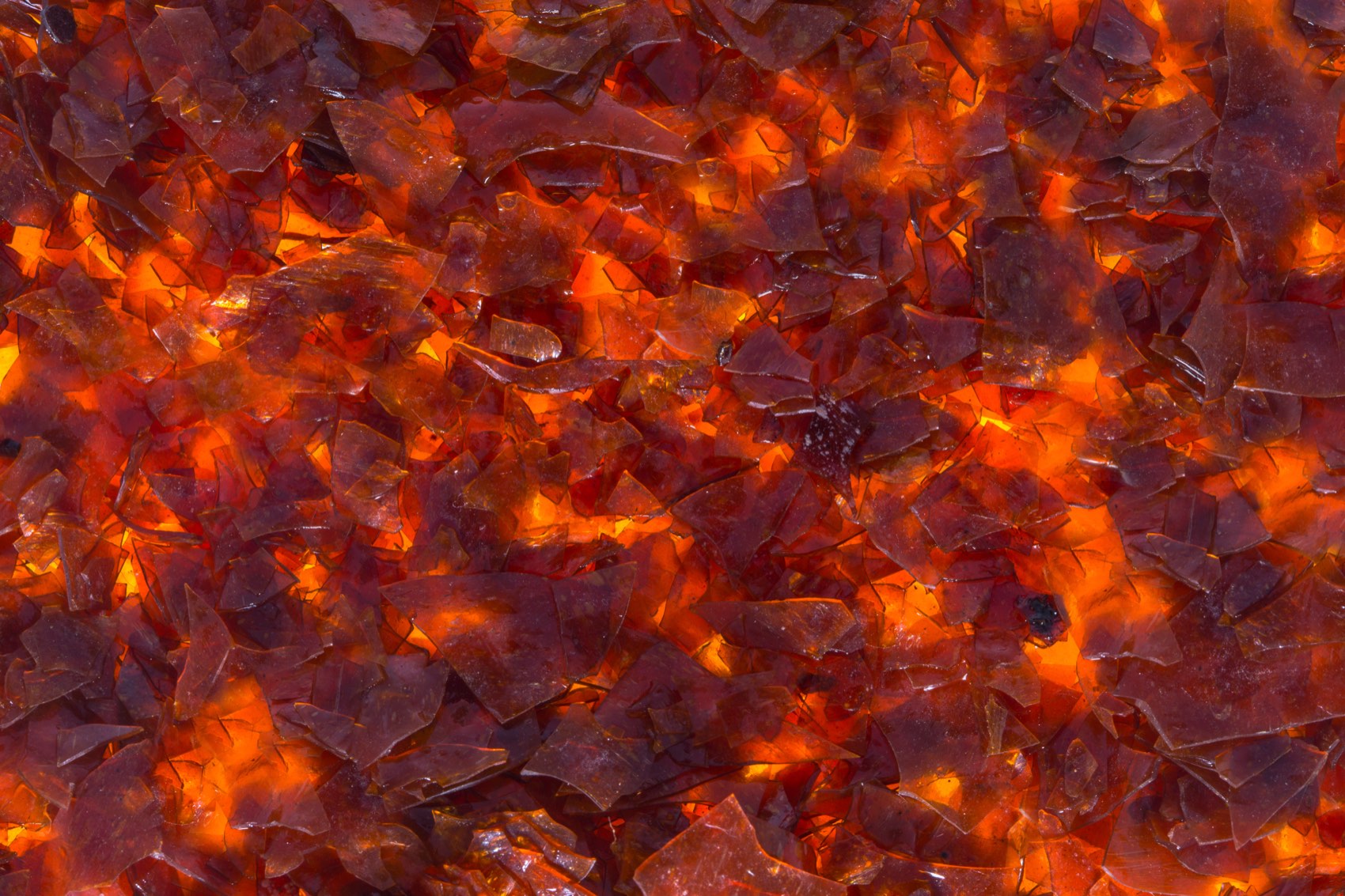
Shellac grades and forms: flake, dewaxed, bleached, and how to tell them apart
Seedlac splits into flake, dewaxed, and bleached shellac by the refining route. What separates the grades, what wax content tells you, and how to pick the right form.
Coatings & Additives
PFAS-free PTFE-replacement slip additives for coatings and inks
Organic polymethylurea additives that give coatings and inks the slip, scratch resistance, and soft feel of PTFE wax, with no fluorine.

Coatings & Additives
How chlorinated polyolefin adhesion promoters bond coatings to polyolefins
Why paints and inks will not stick to PP, PE, and TPO, and how CPO adhesion promoters bridge the gap without flame or corona treatment.

Coatings & Additives
Choosing a non-phthalate plasticizer: where ATBC fits
How acetyl tributyl citrate fits as a non-phthalate plasticizer for cellulosics, food-contact PVC, and inks, and how to tell when it is the right call.

Coatings & Additives
Sulfonamide plasticizers in printing inks and resin systems
How toluenesulfonamide and benzenesulfonamide plasticizers work in inks, adhesives, and amino, epoxy, and polyurethane resins, and how to choose a grade.

Water & Corrosion
Benzotriazole vs tolyltriazole: choosing a yellow-metal corrosion inhibitor
Both protect copper and brass. How the methyl group changes chlorine and heat tolerance, and how to choose between BTA and TTA.

Water & Corrosion
How azole corrosion inhibitors protect copper and brass in cooling water
How benzotriazole and tolyltriazole passivate copper and brass in cooling water: the copper-azole film, what it blocks, and why it protects the system.
Pigments & Color
Coloring cast polyurethane: why low-viscosity liquid dispersions win
Cast PU cures from a low-viscosity liquid in a short window. Why low-viscosity liquid color disperses cleanly and holds the cure.
Pigments & Color
Masterbatch vs liquid color: choosing by your process
Masterbatch colors thermoplastics like TPU at the press; liquid color colors cast PU before cure. How the two differ and how to pick by process.
TPU & Elastomers
Polyester vs polyether TPU: choosing by environment
The soft-segment chemistry, not the hardness number, usually decides whether a TPU part survives its service life. How to choose.
TPU & Elastomers
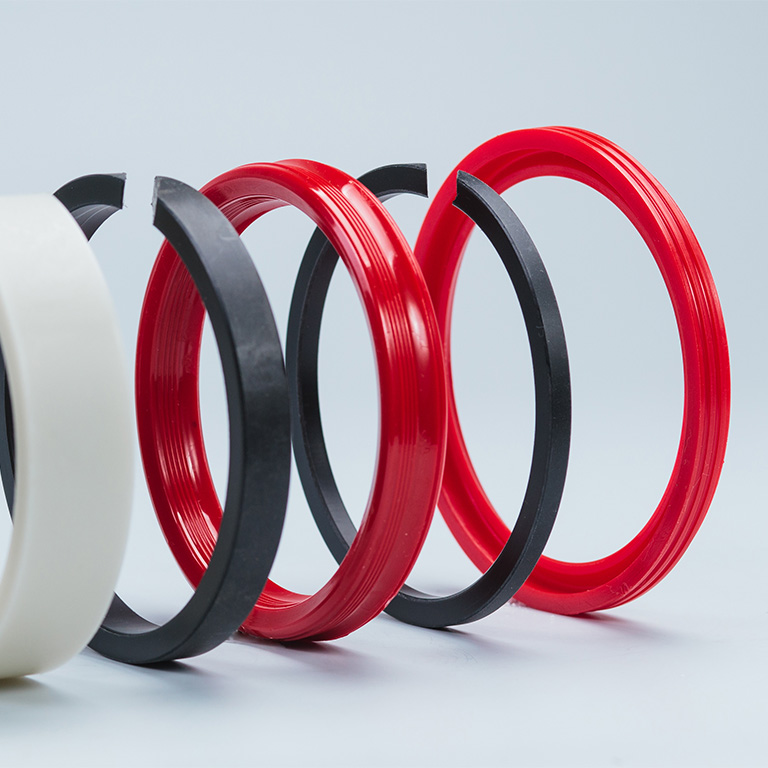
TPU in hydraulic and pneumatic seals: choosing the right grade
Why TPU is a premium seal material, and how to match chemistry and hardness to the fluid, temperature, and pressure.
TPU & Elastomers
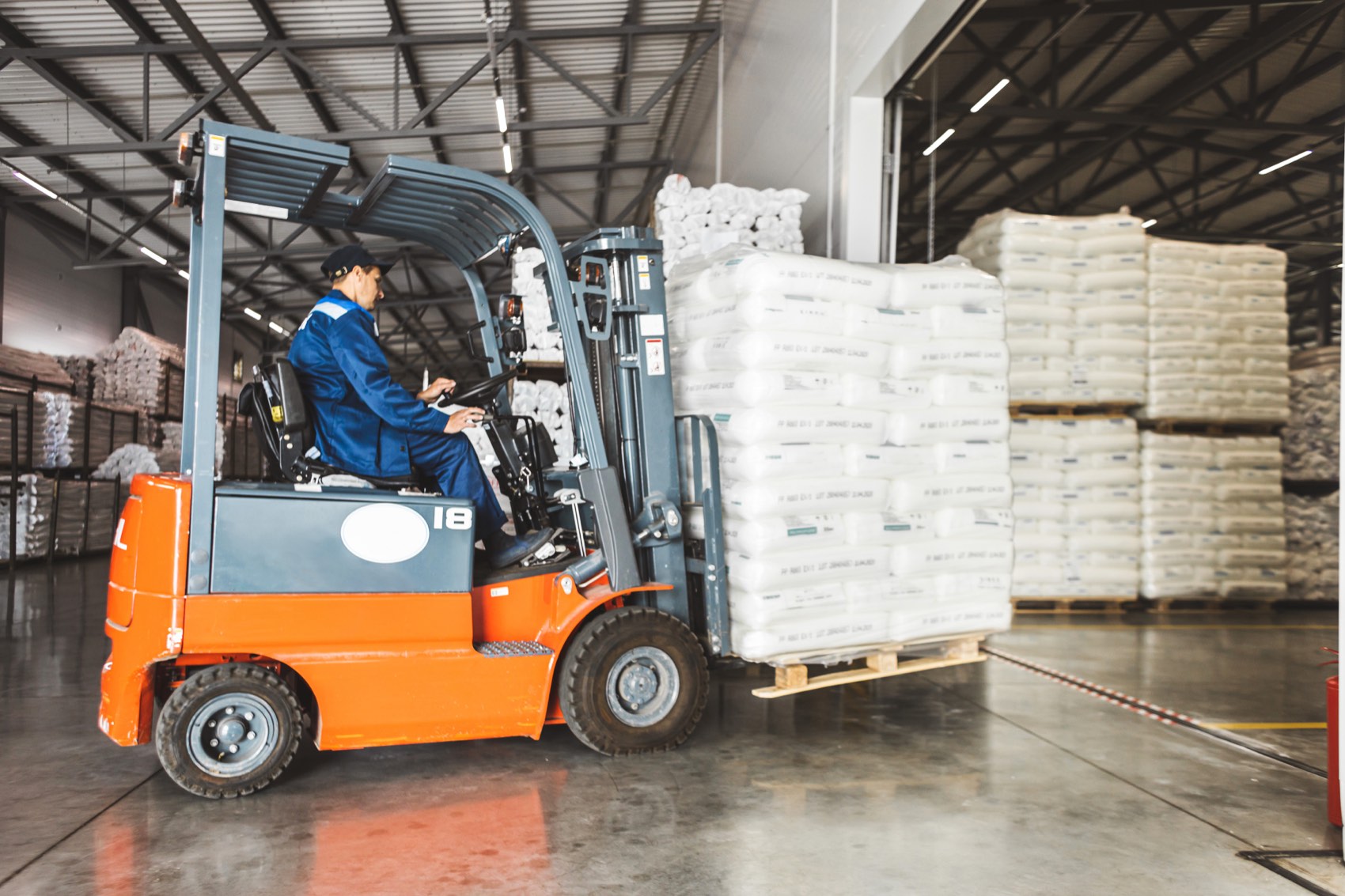
Sourcing Laripur TPU in North America
Who distributes Laripur TPU in North America, why domestic stock shortens lead times, and how to second-source or cross-reference a grade.
Technical Reference
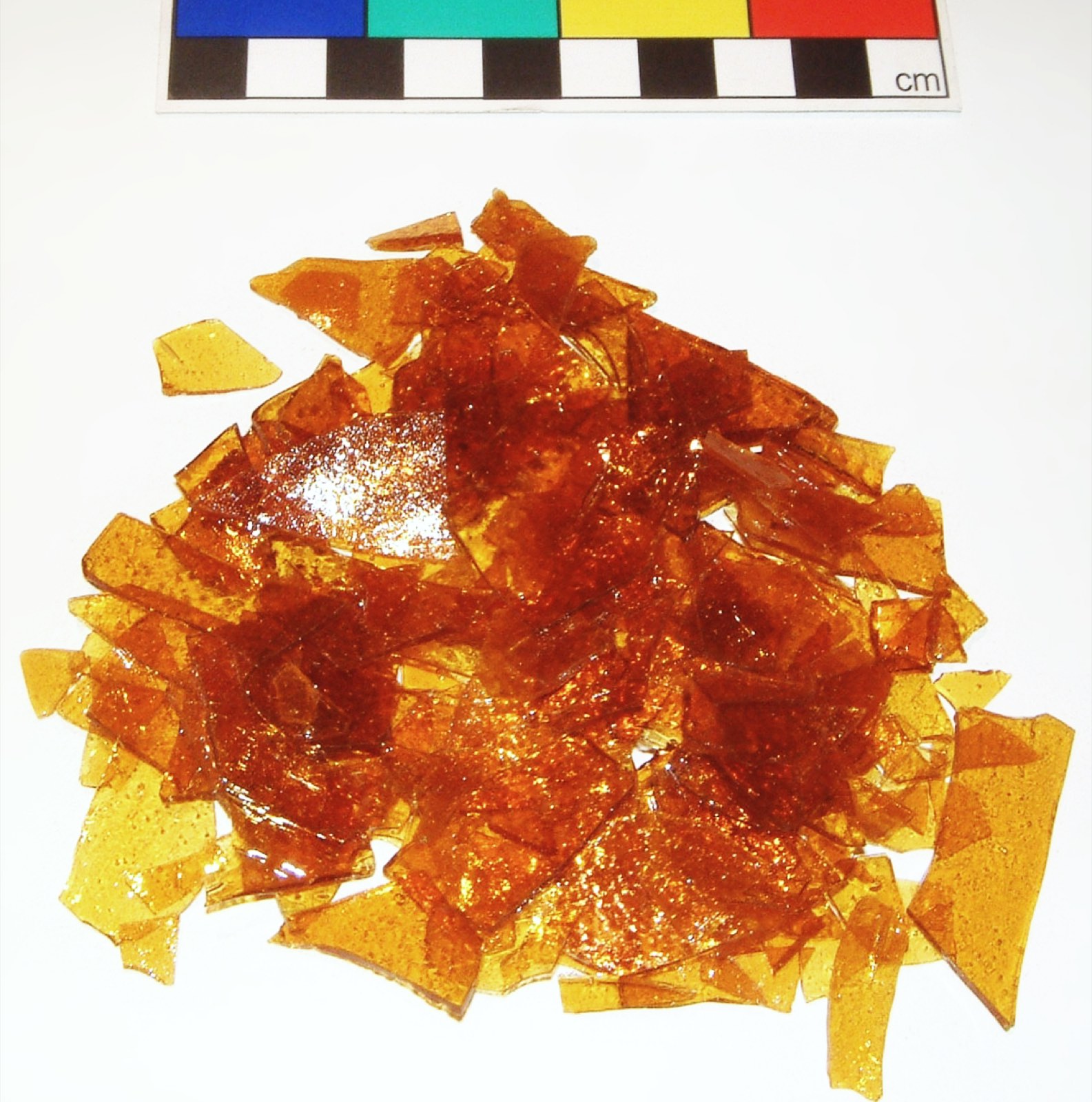
Reading a shellac COA: what flow, life, and insolubles tell you
The three numbers on every shellac spec sheet (flow, polymerization time, and hot alcohol insolubles) and how to use them to evaluate a supplier or qualify a lot.

Technical Reference
Shellac bond in precision grinding wheels: what the flow test measures
Why abrasive manufacturers specify high-flow shellac, how the flow test works, and what happens to wheel quality when the spec isn't met.
TPU & Elastomers
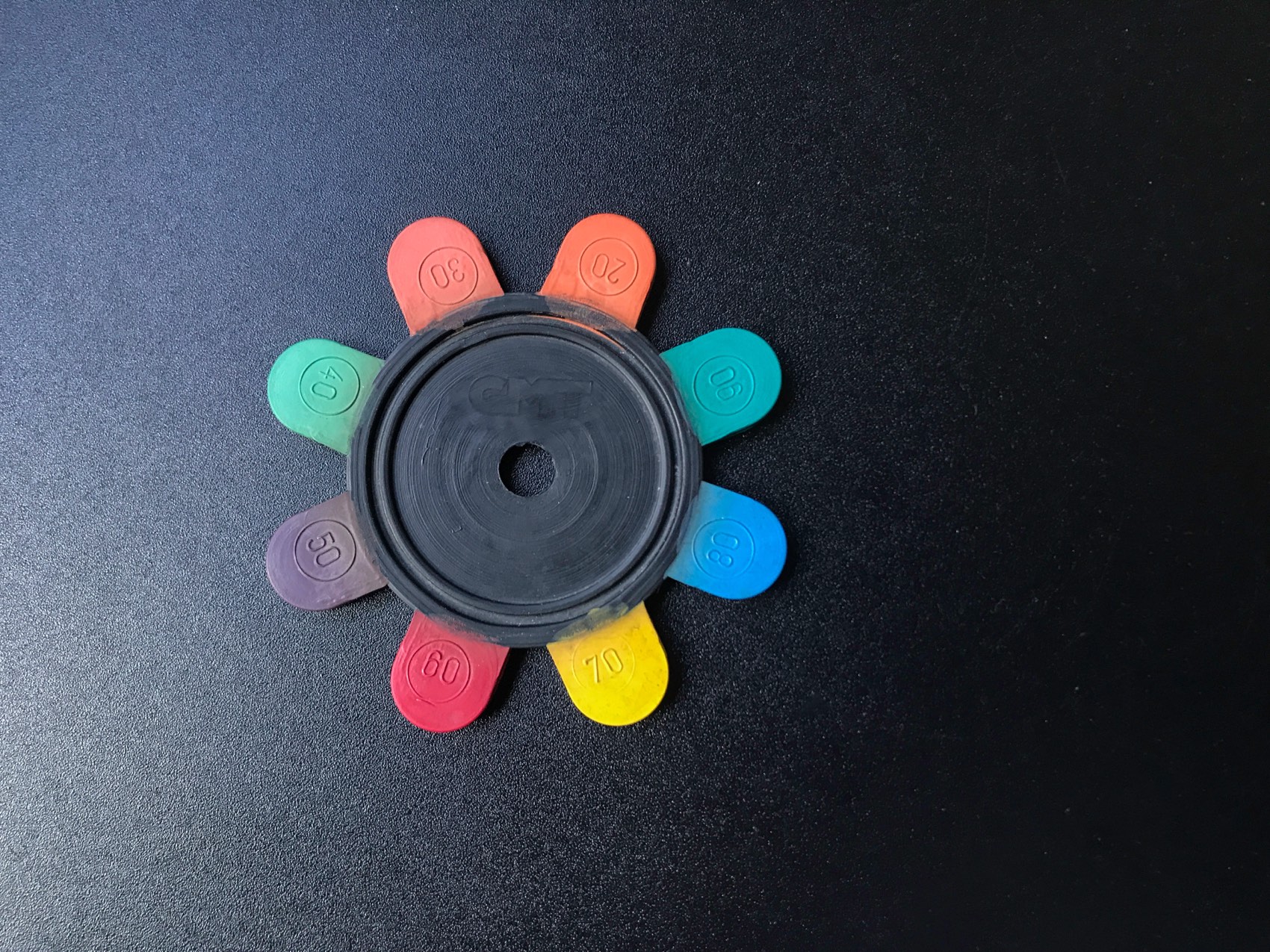
TPU durometers and what they mean for your part
Understanding Shore hardness is the starting point for selecting the right TPU grade. We break down the full spectrum from Shore A 60 to Shore D 75.

Pigments & Color
Low-viscosity liquid colorants for cast urethane
Why low-viscosity dispersions are the preferred format for cast urethane coloration, and how to select the right carrier vehicle for your resin system.
Coatings & Additives
ProFlex 9S: reactive plasticizer for amino, epoxy, and polyurethane resins
ProFlex 9S is an o/p-toluenesulfonamide reactive plasticizer for amino, epoxy, and polyurethane systems, offering permanent low-migration flexibility.
Coatings & Additives
Quaternary ammonium compounds in ESD flooring
How quaternary ammonium compounds provide permanent antistatic properties in flooring coatings and why they outperform temporary antistatic treatments.