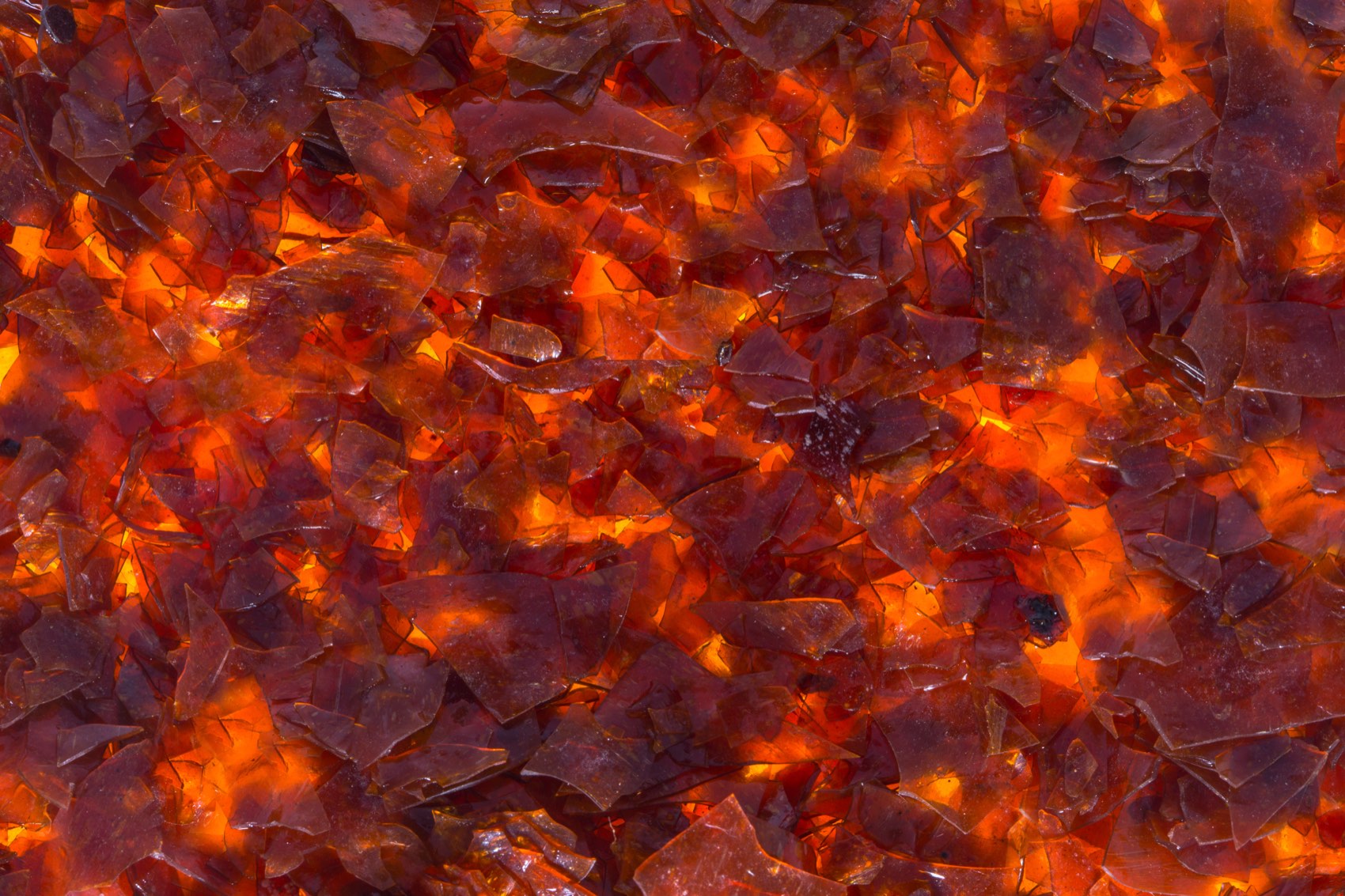
Lemon #1 flake shellac
A natural resin, stocked in North America. Lemon #1 flake and high-flow grades, with a Certificate of Analysis on every lot and fast domestic shipping.
A natural resin, stocked in North America. Lemon #1 flake and high-flow grades, with a Certificate of Analysis on every lot and fast domestic shipping.
Shellac is the refined resin of lac, secreted by the tiny lac insect (Kerria lacca) on the branches of host trees across India and Thailand. It is the only commercial resin of animal origin. Harvested as a crust on the twigs, then crushed, washed, and refined, it becomes the amber flake used across coatings, inks, finishing, and food.
P.A.T. Products has supplied shellac for more than 35 years. It is one of our oldest lines. We stock Lemon #1 flake in North America and ship from inventory, with a Certificate of Analysis on every lot and direct relationships with established producers in India.
CAS 9000-59-3. Cleared by the FDA for food-contact coatings under 21 CFR 175.300 and carried as glazing agent E904 in the EU.
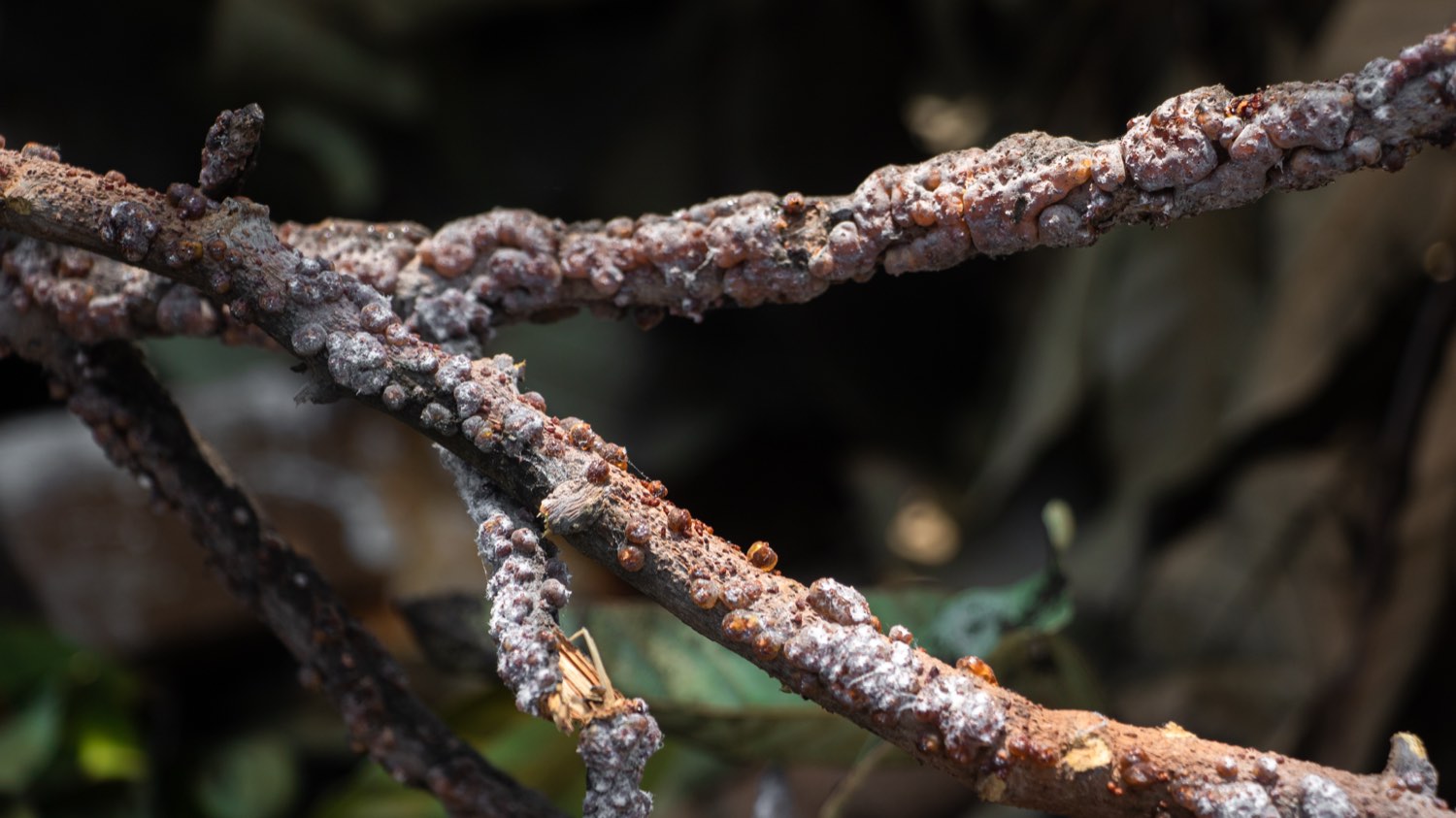
Lac resin encrusting a host-tree branch. Scraped from the twigs as sticklac, it is the raw source of every grade of shellac.
Every grade of shellac branches from one intermediate: seedlac. The raw crust (sticklac) is crushed, washed, and dried into clean seedlac granules, then refined down one of three routes. The refining route defines the grade.
Seedlac is melted, filtered, and stretched into thin sheet. The natural wax (around 5%) and amber color stay. This is the route to Lemon #1 and the rest of the waxy flake grades, and the form most coatings, inks, and adhesives are built on.
Seedlac is dissolved and chill-filtered to take the wax down to 0.2% or lower, then optionally decolorized over activated carbon. Clean-label, no chlorine. The route to dewaxed and blonde grades and to SealCoat-type cuts that accept any topcoat.
Seedlac is dissolved in alkali and bleached, removing color oxidatively. White lac carries residual chlorine and a shorter shelf life, and is usually sold as a powder. Used where a near-colorless film matters more than longevity.
A single resin that blocks stains, bonds dissimilar materials, carries inks, and glazes food. The industrial coatings, sealant, and ink uses are where most of our flake goes.
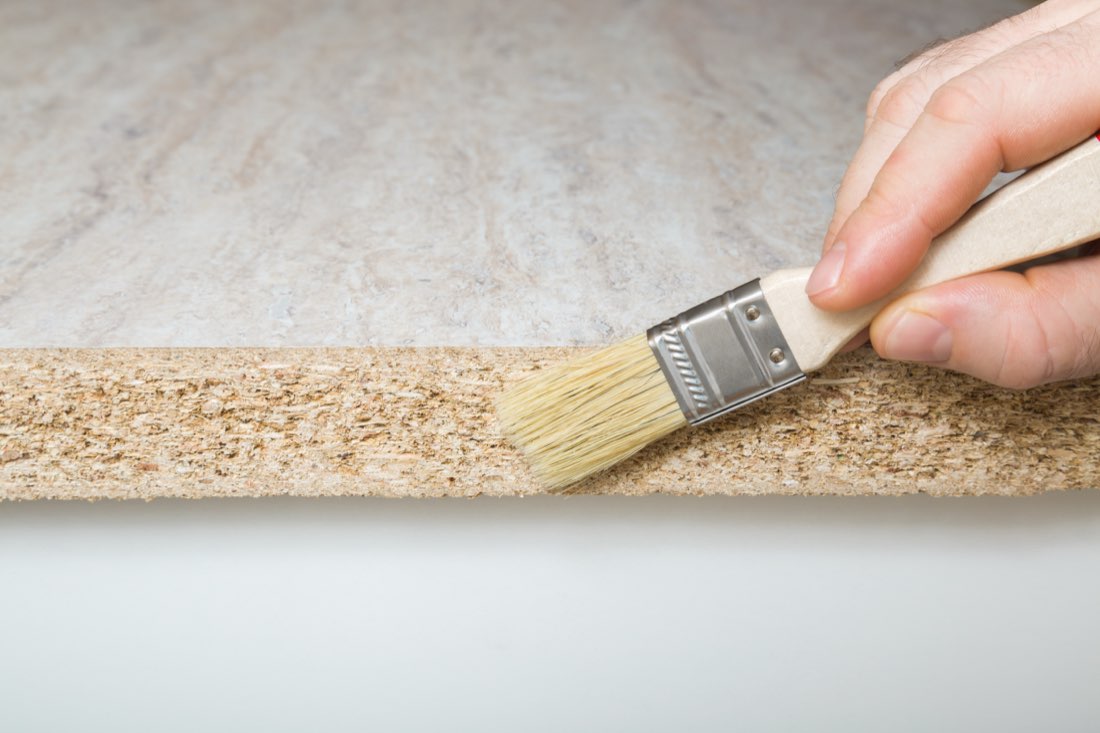
Shellac blocks stains that bleed through other primers: tannin from cedar and pine knots, nicotine and smoke, and water stains on drywall. Petroleum-based emulsions and acrylics often need multiple coats or fail outright on these substrates. Specialty coatings makers and restoration-grade paint manufacturers are the core buyers.
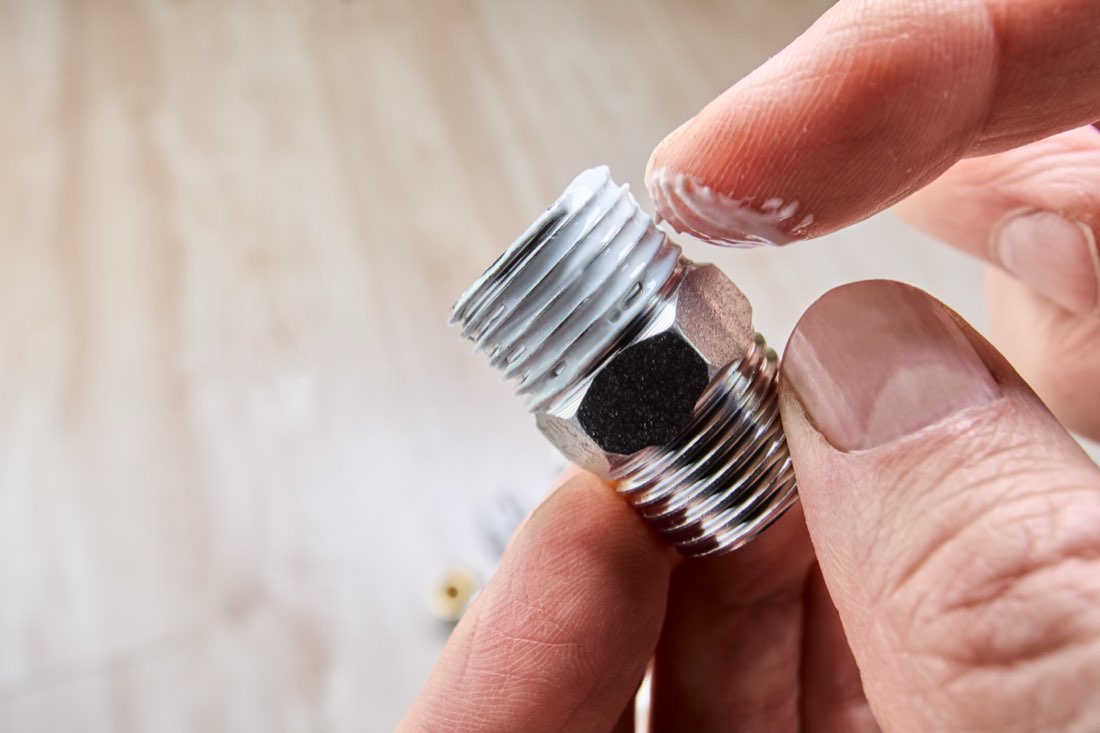
As a resin binder, shellac brings fast tack, heat resistance, and adhesion to dissimilar substrates. It is used in pipe-thread and gasket sealants, HVAC and packaging adhesives, and bonded assemblies that need food-contact compliance, where its clearance under 21 CFR 175.105 and natural chemistry are an advantage over synthetic alternatives.
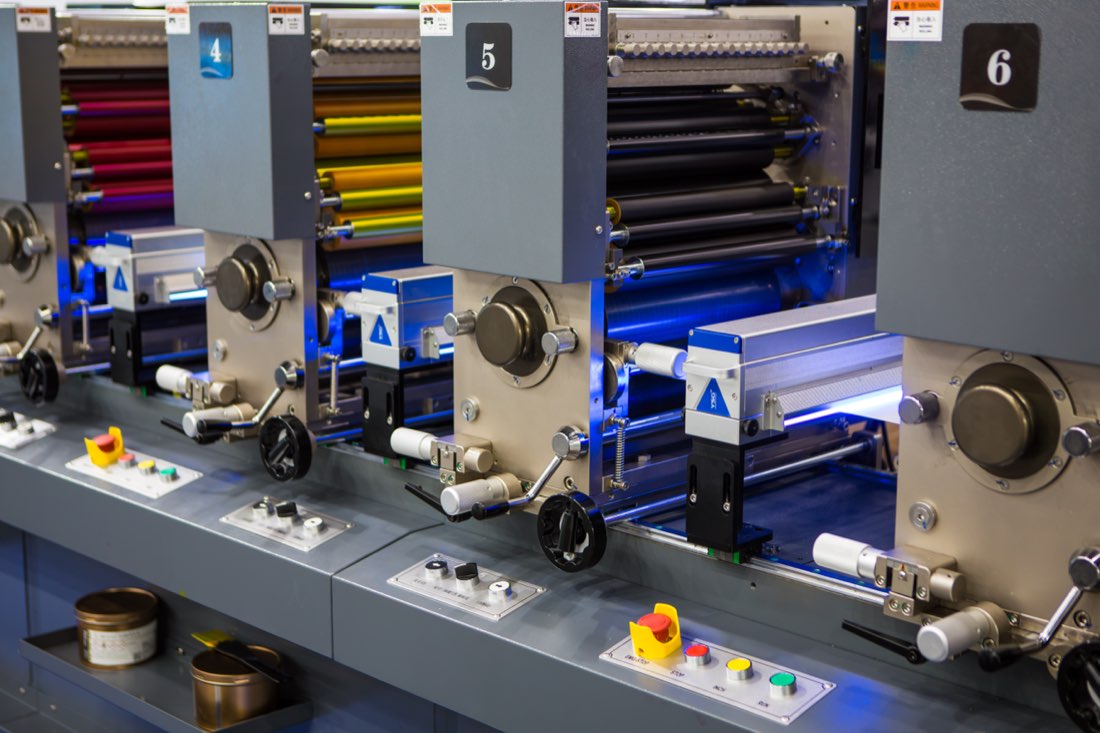
Shellac is a primary resin vehicle in water-based flexographic and gravure inks. It dissolves readily in alkaline aqueous systems and in alcohol, dries fast, and adheres well to paper and film. Lemon grades also serve pharmaceutical tablet and capsule marking inks, where food-contact compliance is required.
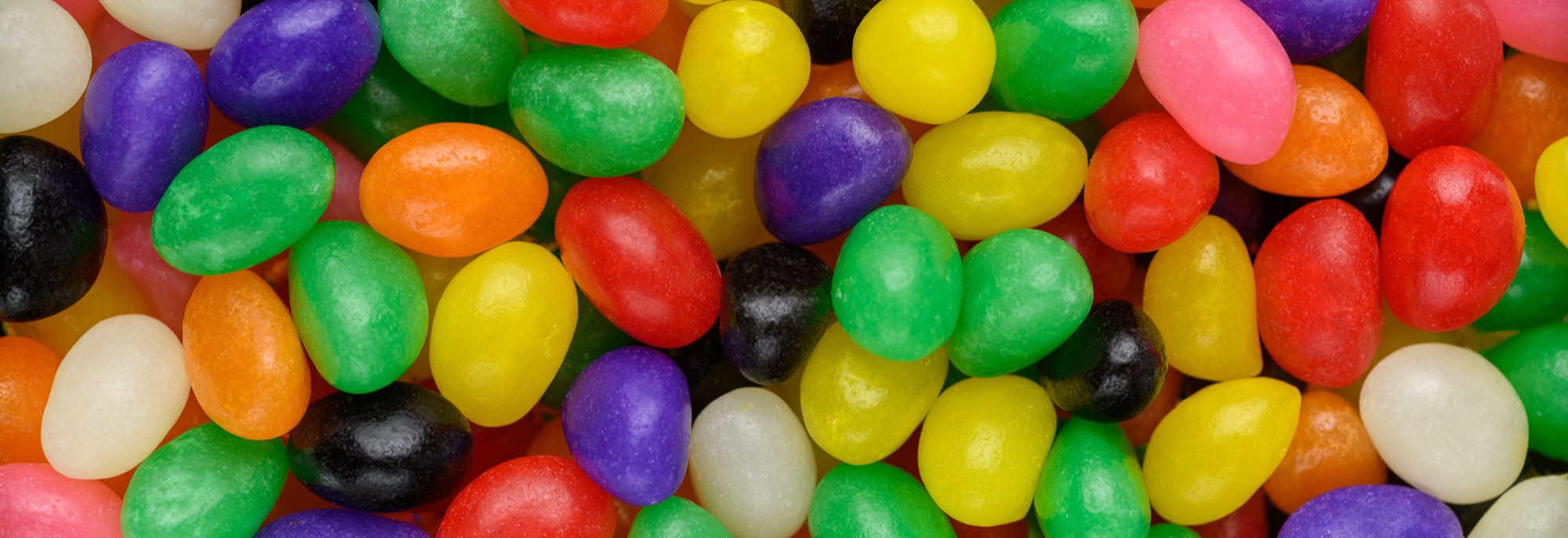
Dissolved in food-grade alcohol or as an aqueous solution, dewaxed shellac gives the glossy, water-resistant glaze on panned candy and supplement tablets, and serves as enteric, sustained-release, and polishing coatings in pharmaceuticals (USP-NF Pharmaceutical Glaze). The feedstock for these is a dewaxed grade, not waxy flake. E904; USP-NF.
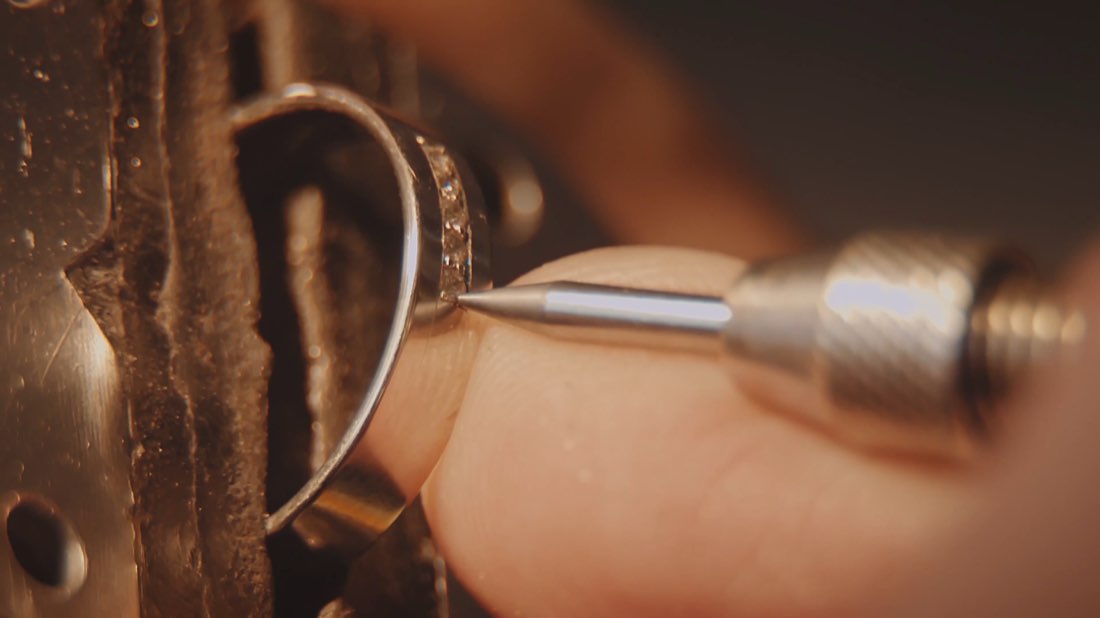
Shellac cement is the standard hold in professional stone setting and engraving. Applied with heat, it holds the workpiece for cutting and setting, then releases cleanly with alcohol, with no residue and no damage to the stone or mounting.
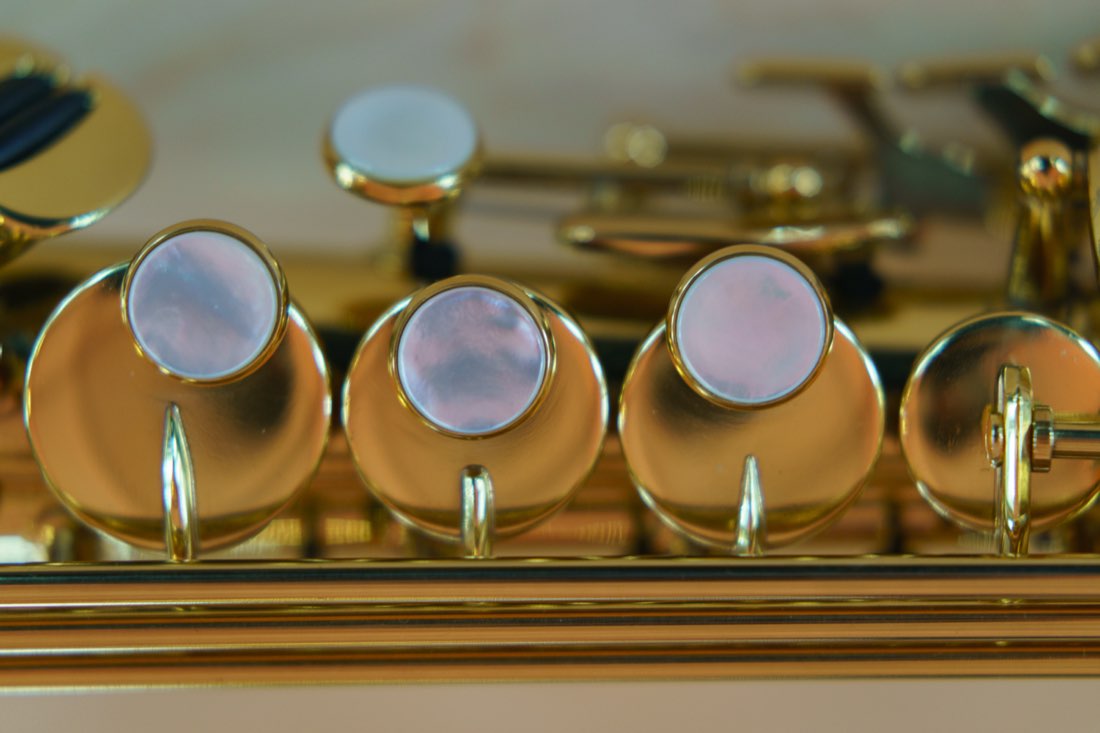
Shellac is the standard adhesive for woodwind pad installation across clarinet, saxophone, oboe, flute, and bassoon: applied with heat, repositioned before it hardens, and stable in play. Repair supply houses and craft repackagers buy flake in bulk for resale.
French polish, the traditional hand-rubbed shellac finish, builds the deep, warm gloss prized on fine furniture, pianos, and antiques. Thin coats of shellac in alcohol are padded on and burnished until the figure of the wood comes up with a clarity few finishes match.
Shellac also works as a fast-drying sanding sealer and washcoat under other topcoats: it raises grain consistently and blocks tannin and resin bleed. A dewaxed cut seals cleanly and accepts any topcoat over it, which is why it is the go-to barrier coat in cabinet and furniture shops.
Cabinet shops sourcing sealer in volume, professional furniture and instrument finishers, and the craft and restoration trade all run on shellac. We supply flake for shops that cut their own, and can source dewaxed grades by arrangement. When to use each form is covered in dewaxed vs waxy shellac in wood finishing.
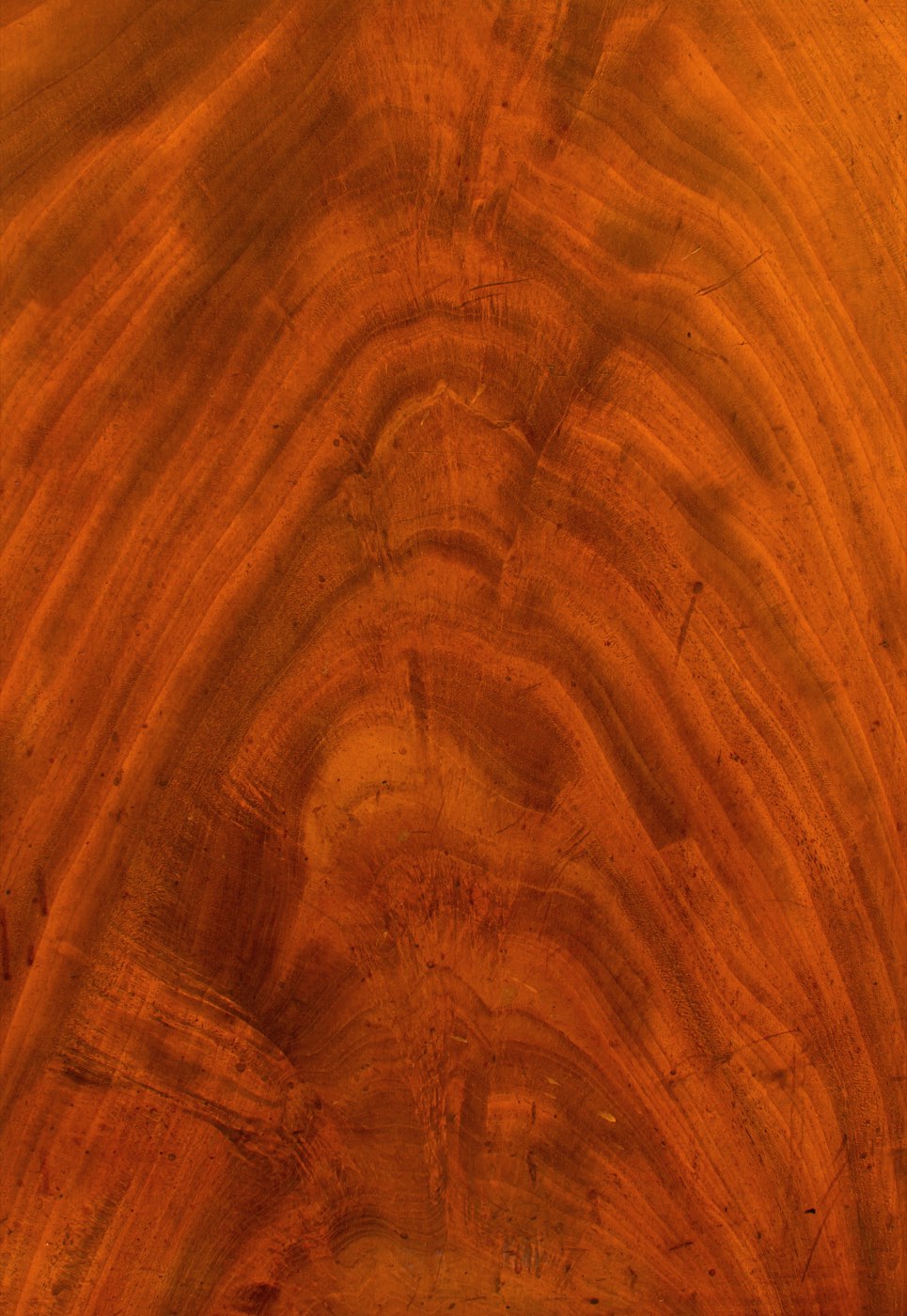
Figured walnut. Shellac and French polish bring out the depth and figure of fine wood.
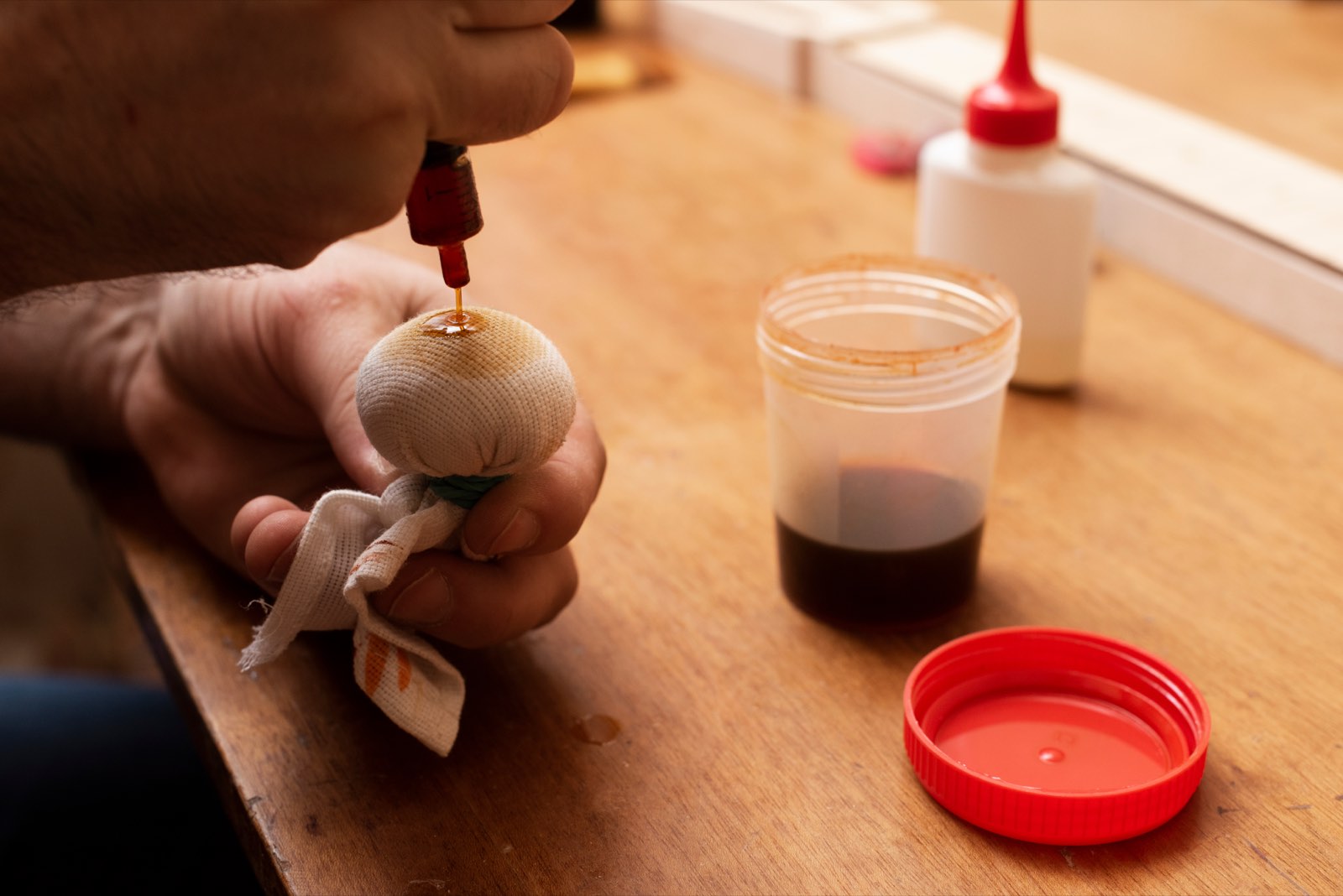
French polishing. A cloth rubber is charged with a shellac cut and padded on in thin coats, the traditional way to build a hand-rubbed wood finish.
The high-flow grade serves a specific industrial process. We have supplied it to abrasive manufacturers before. If this is your application, get in touch.
Shellac bond (designated E-bond in the ANSI and Norton wheel-marking systems) is used in precision grinding wheels where surface finish and cool-cutting behavior are the priority. The process is hot-press molding: shellac is mixed with abrasive grain, pressed in a mold under heat and pressure, and cured over several days. During pressing the resin has to flow uniformly through and around the grain to form continuous bond bridges. Low-flow shellac produces density gradients, incomplete bridging, and wheels that do not self-sharpen cleanly.
Applications include precision roll-grinding wheels for paper and steel mills (Ra 0.1 µm surface finish), camshaft and crankshaft finishing, cutlery grinding, and other precision operations where heat generation must be minimized and workpiece surface integrity is critical. Shellac's self-sharpening behavior at low grinding temperatures still produces results that resinoid and vitrified bonds do not fully replicate in finish grinding.
The high-flow specification calls for 65 mm flow minimum and 45 minutes polymerization time minimum, tested per ASTM method. Representative lots we have sourced tested at 76 mm flow and 67 minutes life at a qualified third-party laboratory.
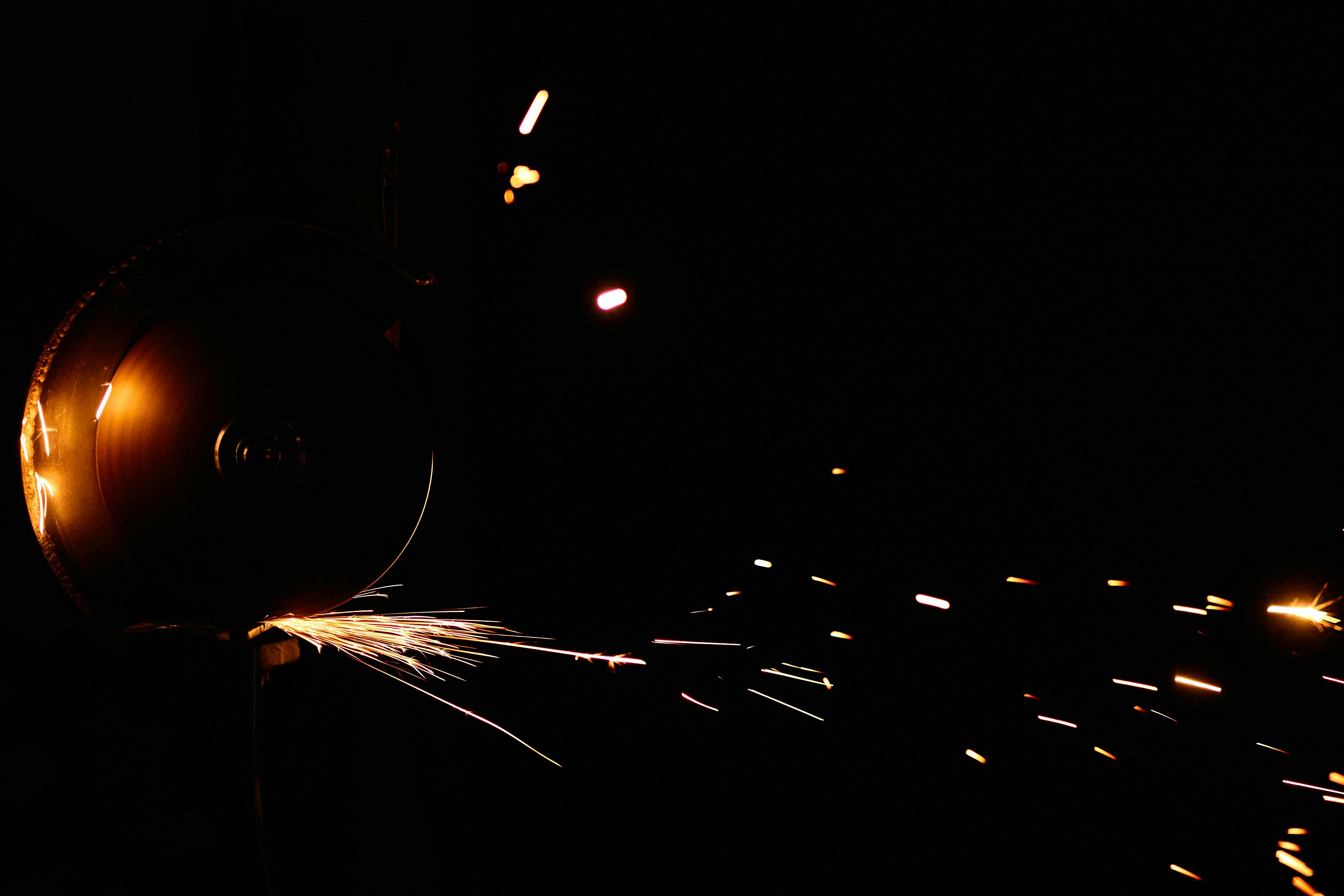
Why flow matters for abrasive bond
For most other applications (inks, adhesives, primers, wood finishing) standard Lemon #1 performs well and costs less. The high-flow grade is not required outside abrasive bonding and a few other process-sensitive uses.
Lemon #1 is a light-amber, wax-containing, machine-made flake, released against the specification on our technical data sheet. It is the workhorse grade for most coatings, inks, adhesives, and finishing. A high-flow variant is carried for abrasive bonding. Dewaxed, bleached, alcohol-cut, and aqueous ammoniacal grades are available by arrangement.
| Property | Lemon #1 Flake Shellac | High Flow Lemon #1 |
|---|---|---|
| Flow (ASTM) | 57 mm | 65 mm min (typical lots: 70–76 mm) |
| Polymerization Time / Life (ASTM) | 30 min | 45 min min |
| Hot Alcohol Insolubles | 2% max | 2% max |
| Wax Content | 2.5–5% | 2.5–5% |
| Melting Point | 98–99°C | 98–99°C |
| Acid Value | 60–75 | 60–75 |
| Saponification Value | 185–200 | 185–200 |
| Ash Content | 0.5% max | 0.5% max |
| Moisture | 2% max | 2% max |
| CAS Number | 9000-59-3 | 9000-59-3 |
| Packaging | 25 kg jute bags | 25 kg jute bags |
About shellac flow
Flow measures how far shellac spreads under standardized heat (ASTM method, reported in millimeters). It is a direct indicator of freshness: shellac undergoes slow self-polymerization during storage, and flow drops as the resin ages. A lot that tests at 76 mm today may test at 60 mm in a year if stored warm. For most industrial applications, standard Lemon #1 at 57 mm performs well. Abrasive and grinding-wheel manufacturing is the exception, because the hot-press bonding process needs the resin to flow uniformly around individual grain at molding temperature.
Lemon #1 is available from North American stock. We do not import on order. We carry inventory, which means faster lead times and no exposure to ocean-freight delays when your production schedule moves up.
We maintain direct relationships with established shellac producers in India, and can provide production date and storage history on request.
Every shipment includes a Certificate of Analysis showing actual flow, polymerization time, and hot alcohol insolubles, tested per ASTM method by a qualified analytical laboratory. We are happy to provide COAs and samples before you commit to a commercial order. Our guide to reading a shellac COA walks through what those three numbers tell you, and where to buy shellac flake in the US covers the full supplier checklist. Primer manufacturers will find the formulation variables in shellac in stain-blocking primers.
Supply Summary
Lemon #1 flake is our stocked grade. Dewaxed, bleached, alcohol-cut, and aqueous ammoniacal grades are available by arrangement. Tell us the grade and form you need.
Two grades are held in stock in the United States. Each page carries the specification the material is released against, the handling facts, and the documents available on request.
| Grade | Refining route | Wax content | What it is specified for |
|---|---|---|---|
| Lemon #1 Flake Shellac | Heat refined | 2.5 to 5% | Stain-blocking primers, grinding wheel bond, sealants, wood finishing and French polish |
| Refined Bleached Shellac | Bleached and dewaxed | 0.2% maximum | Clear coatings and sanding sealers, inks and overprint, pale wood finishing |
Browse the full P.A.T. Products shellac catalog for the specification, handling and documentation on each grade, or tell us the application and we will name the one that fits.
We supply documentation on request and can confirm what applies to your grade and application.
Cleared for food-contact coatings under 21 CFR 175.300 and adhesives under 21 CFR 175.105, and listed as a color additive diluent under 21 CFR 73.1. Confectioner's glaze use rests on an independent GRAS determination. EU glazing agent E904. Orange (unbleached) shellac is listed for organic use under USDA NOP 205.606.
Dewaxed shellac is a USP-NF Pharmaceutical Glaze and is compendial in the EP and JP, used for enteric, sustained-release, and polishing coatings. Pharmaceutical applications use a refined dewaxed grade, sourced by arrangement.
Ask us about Kosher and Halal documentation for your grade. Shellac is plant-and-insect derived, with no animal slaughter inputs. CAS 9000-59-3 for SDS and regulatory filings.
Lemon #1 is the trade name for a light-amber, wax-containing flake shellac. It is a heat-refined grade that keeps shellac's natural wax of around 5%, and it is the workhorse grade for most coatings, inks, adhesives, and finishing. CAS 9000-59-3.
Yes, with the citation matched to the use. FDA clears shellac for food-contact coatings under 21 CFR 175.300, for adhesives under 21 CFR 175.105, and lists it as a diluent in color additive mixtures under 21 CFR 73.1. Its long-standing use as a confectioner's glaze rests on an independent GRAS determination rather than a direct food additive regulation. In the EU it carries glazing-agent number E904, and dewaxed shellac is a USP-NF Pharmaceutical Glaze. The grade used for food and pharmaceutical coating is a dewaxed grade dissolved in food-grade alcohol or as an aqueous solution, not waxy flake.
They are siblings refined from the same intermediate, seedlac, by three different routes. Heat refining keeps the natural wax (around 5%) and amber color and produces flake like Lemon #1. Solvent refining chill-filters the wax out (to 0.2% or lower) for a clean-label dewaxed grade. Bleaching removes color oxidatively to make white lac, which carries residual chlorine and a shorter shelf life. Wax content tells you which route a grade came from.
Yes, shellac is generally cited as the only commercial resin of animal origin. It is the refined resin of lac, secreted by the lac insect (Kerria lacca) on host trees across India and Thailand, then harvested, crushed, washed, and refined into flake. Every other commercial resin is plant-derived or synthetic.
Shellac is a single natural resin secreted by the lac insect, dissolved in alcohol or water for use. Most modern lacquers and varnishes are synthetic polymer systems (nitrocellulose, acrylic, polyurethane). Shellac's distinctions are its natural origin, its food and pharmaceutical clearances, its stain-blocking and odor-sealing performance, and its ability to bond to dissimilar substrates.
Yes. We carry Lemon #1 flake in North American inventory and ship from stock, so you avoid ocean-freight lead times when a production schedule moves up. Every shipment includes a Certificate of Analysis. We handle small-lot and bulk orders.
Lemon #1 flake is our stocked grade and a high-flow flake is available for abrasive bonding. Dewaxed, bleached, alcohol-cut, and aqueous ammoniacal grades are available by arrangement. Tell us the grade, form, and documentation you need and we will confirm what we can supply.
Dry flake stored cool and dark is the durable form and keeps for years; shellac ages by slow solid-state polymerization, which shows up first as a drop in flow. Dissolved forms are different: an alcohol cut keeps roughly 6 to 12 months before it begins to gel, and bleached white lac has a shorter shelf life from residual chlorine. We can provide production date and storage history on request.
Abrasive and grinding-wheel manufacturing. Shellac bond (E-bond) wheels are hot-press molded, and the resin has to flow uniformly around each abrasive grain to form continuous bond bridges. The high-flow grade is specified to a minimum flow of 65 mm and a minimum polymerization time of 45 minutes per ASTM method. For most other uses, standard Lemon #1 performs well and costs less.