Citriflex 84 is acetyl tributyl citrate, ATBC, CAS 77-90-7, a non-phthalate plasticizer compatible with nitrocellulose, cellulose acetate, PVC, acrylic and methacrylic systems, vinyl acetate, vinylpyrrolidone and urethanes. It is cleared by the FDA under 21 CFR 172.515, 175.105, 175.300, 175.320, 178.3910 and 181.27 and listed in EU 10/2011 Annex I as FCM substance 138. The specification and the full document list are on the Citriflex 84 grade page.
Physical properties
| Property | Value |
|---|---|
| Chemical name | Acetyl tributyl citrate (acetyl tri-n-butyl citrate), CAS 77-90-7, EC 201-067-0 |
| Molecular weight | 402.5 g/mol |
| Appearance | Clear liquid, 30 Pt/Co maximum |
| Active content | 99 percent minimum |
| Specific gravity | 1.045 to 1.055 |
| Viscosity, 20 degrees C | 40.4 square mm/s |
| Boiling point | 327 degrees C |
| Flash point | 204 degrees C, Cleveland open cup |
| Water solubility, 20 degrees C | 0.00449 g/l |
| Moisture | 0.15 percent maximum |
| Bio-based carbon | Measurable by ASTM D6866; the citric acid is fermentation-derived |
Low volatility is the property that carries across every application below. A plasticizer with a 327 degrees C boiling point stays in the film or compound through processing and service, which shows up as better heat aging, less weight loss, and flexibility that holds over the life of the part.
Packaging inks and metal decoration
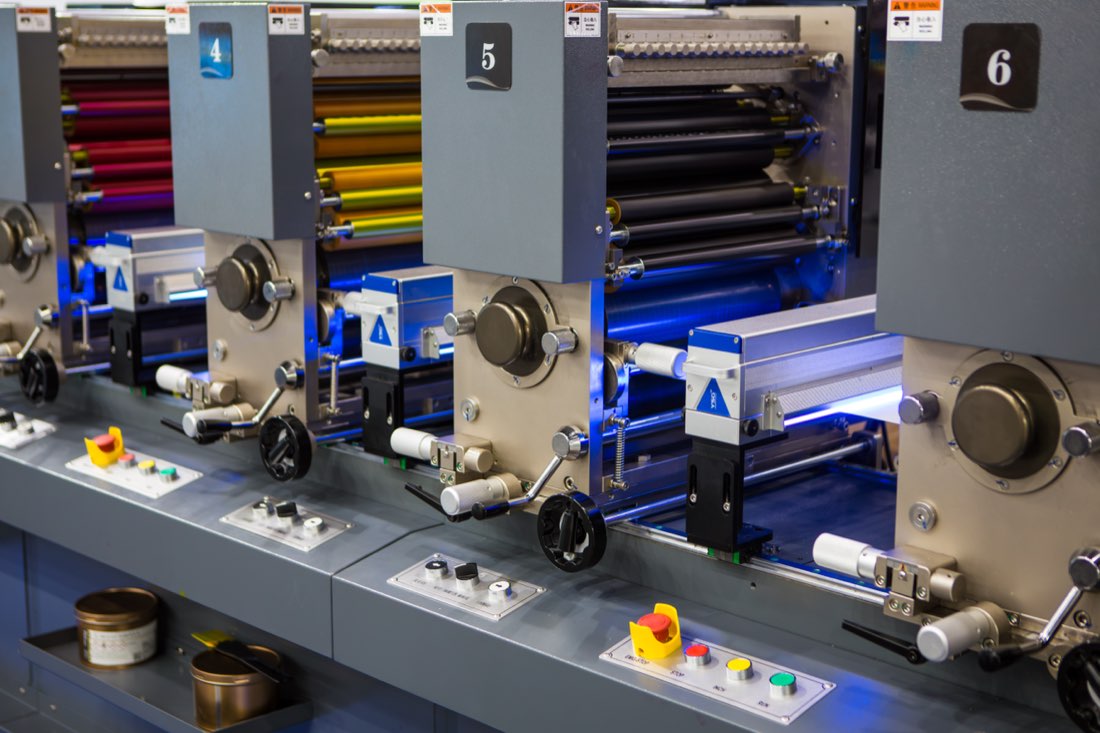
Nitrocellulose is a hard, brittle film former, and ATBC is the external plasticizer that keeps a nitrocellulose ink film flexible on a flexible substrate and adherent on a metal one. In food-packaging inks and in metal-decoration coatings for cans and tubes it is specified for three reasons at once: it does not yellow, it does not migrate readily out of the dried film, and it carries the food-contact documentation the converter's customer will ask for. The FDA resinous-coatings and polyolefin-film clearances, 21 CFR 175.300 and 175.320, and the EU 10/2011 listing are the sections that matter here.
Nitrocellulose and cellulose acetate lacquers
The same compatibility applies to lacquers. ATBC plasticizes cellulose acetate films and nitrocellulose lacquers with low volatility and resistance to yellowing, and it is compatible with ethylcellulose and hydroxymethyl cellulose as well. Where a lacquer has to stay clear over years rather than months, the low volatility is what keeps it from embrittling.
Adhesives
ATBC is cleared for adhesives under 21 CFR 175.105, and cyanoacrylate adhesives are named on the data sheet: the citrate plasticizes the cured cyanoacrylate so the bond line flexes instead of cracking. Moisture is specified at 0.15 percent maximum, which is the number a cyanoacrylate formulator checks first. For hot-melt and other adhesive systems where the job is flow and tack rather than film flexibility, the sulfonamide route is usually the better fit; the split is covered in plasticizers for hot-melt adhesives.
Qualifying ATBC in an ink, lacquer or adhesive?
Tell us the resin system and the standard you have to meet. We will send a sample and the documentation that speaks to it.
Request a SampleAcrylic sealants and wood coatings
ATBC is compatible with acrylic and methacrylic systems, and that is where it earns a place in elastomeric sealants and caulks, including the sealants used on wood and log construction, and in clear finishes for wood. A sealant joint has to stay flexible through years of thermal movement outdoors, and a plasticizer that leaves the film is a plasticizer that fails the joint. The low volatility and the negligible water solubility, 0.00449 g/l, are the two properties a sealant formulator is buying.
Flexible PVC
In flexible PVC, ATBC is the non-phthalate route where the part has to meet food-contact, medical or children's-product rules: cling and lidding film, and the medical articles where DEHP restrictions apply. It is not a one-for-one replacement at the same loading; efficiency differs from a phthalate and the level normally needs adjusting. A flexible PVC floor that also has to control static takes an antistatic plasticizer alongside the primary one, which is covered in antistatic plasticizers for PVC flooring.
Personal care and fragrance
ATBC is a non-volatile plasticizer in nail lacquer, where it does the same job it does in any nitrocellulose film, and a fixative and non-volatile solvent in alcohol-based fragrance systems, where a citrate ester slows the loss of the volatile notes. Cosmetic documentation is a separate question from food-contact documentation; ask before relying on one.
Other uses named on the data sheet
Solution coatings for foil and paper, acrylic pharmaceutical polymers, and a non-plasticizer use as a milling lubricant for aluminum and steel sheet. If the application is pharmaceutical, say so at the start: Citriflex 84 is released against its industrial specification, and a pharmacopoeia grade is a separate qualification.
ATBC, tributyl citrate and triethyl citrate
Three citrate esters share a family name and are not interchangeable on documentation. Tributyl citrate, CAS 77-94-1, is the unacetylated precursor of ATBC: slightly more efficient by weight in PVC and more mobile, with a US food-contact clearance limited to adhesives under 21 CFR 175.105 and no listing in EU 10/2011. Triethyl citrate, CAS 77-93-0, is the ethyl ester, used in pharmaceutical coatings and as a flavor substance. Acetyl tributyl citrate carries the broadest food-contact position of the three, and the acetyl group lowers its polarity, which is what gives it better permanence in the polymer. If a specification names Citroflex A-4 or another citrate grade, cross-referencing ATBC to Citriflex 84 covers what the match is made on.
Frequently asked
What is Citriflex 84 used for?
Nitrocellulose packaging inks and lacquers, cellulose acetate, adhesives including cyanoacrylates, acrylic sealants and wood coatings, flexible PVC that has to meet food-contact or medical rules, solution coatings for foil and paper, and nail lacquer and fragrance systems in personal care.
What are the physical properties of ATBC?
Molecular weight 402.5 g/mol, specific gravity 1.045 to 1.055, viscosity 40.4 square mm/s at 20 degrees C, boiling point 327 degrees C, water solubility 0.00449 g/l, flash point 204 degrees C by Cleveland open cup. A clear liquid at 99 percent minimum active.
How does ATBC compare with tributyl citrate and triethyl citrate?
Tributyl citrate is more efficient by weight and more mobile, with an adhesives-only US clearance and no EU 10/2011 listing. Triethyl citrate is the ethyl ester used in pharmaceutical coatings. ATBC carries the broadest food-contact position and the best permanence of the three.
Can Citriflex 84 replace a phthalate one for one?
Not usually at the same loading. Send the resin, the phthalate being removed and the current loading, and we will suggest a starting point and ship a sample.
Sourcing
P.A.T. Products stocks Citriflex 84 in North American warehouses and ships across the United States, Canada and Mexico, in 200 kg steel drums, 1,100 kg IBCs and bulk. Samples typically go out the same business day. Tell us the application and the standard you have to meet.
View the Citriflex 84 grade page