Laripur 7560
PTMG polyether TPU at Shore 77 A with very good resistance to hydrolysis and microbial attack. Seals and technical items, with 7560EG for hose, cable, profile and film.
PTMG polyether TPU at Shore 77 A with very good resistance to hydrolysis and microbial attack. Seals and technical items, with 7560EG for hose, cable, profile and film.
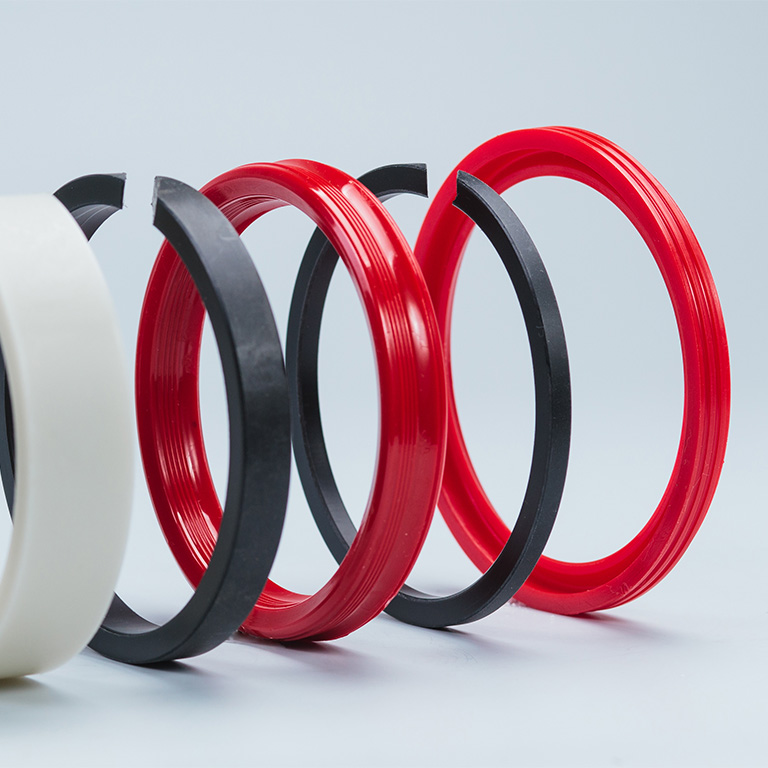
Laripur 7560 is a PTMG polyether based TPU at Shore 77 A. COIM states that it has very good resistance to hydrolysis and microbial attack, and indicates the standard version for the production of seals and technical items.
The 7560EG version is proposed for the extrusion of hoses, cables, profiles and film.
Elongation at break is 670 percent against a tensile strength of 6000 psi, with tear strength of 65 N/mm. Specific gravity is 1.10, the lowest figure in this catalog. The VICAT softening point is 158 degrees F.
Order the EG version when the material is going into a die. COIM identifies its extrusion versions with an end code after the grade number, and that code has to be on the purchase order.
It is also written as thermoplastic polyurethane, TPU, polyether TPU, PTMG polyether TPU, polytetramethylene glycol TPU, and polyether polyurethane.
| Property | Typical value |
|---|---|
| Specific gravity | 1.10 g/cm3 (ASTM D792) |
| Shore hardness | 77 A (ASTM D2240) |
| Abrasion loss | 35 mm3 (DIN 53516) |
| Tensile modulus 50 percent | 440 psi (ASTM D412) |
| Tensile modulus 100 percent | 630 psi (ASTM D412) |
| Tensile modulus 300 percent | 770 psi (ASTM D412) |
| Tensile strength | 6000 psi (ASTM D412) |
| Elongation at break | 670 percent (ASTM D412) |
| Tear strength | 65 N/mm (ASTM D624) |
| VICAT softening point | 158 degrees F (ASTM D1525) |
| Form | Regular pellet |
Typical values from the manufacturer's technical data sheet. They describe the product, they are not a specification. We will send the current TDS and the batch documentation your qualification needs.
Tell us the binder system, the property you are targeting, and the volume you expect. We will confirm the grade, send the documentation, and ship a sample from North American stock.
COIM's first listed use for the standard version.
Named on the data sheet.
Extrusion in the 7560EG version.
Extrusion in the 7560EG version.
Extrusion in the 7560EG version.
COIM states very good resistance to hydrolysis and microbial attack.
Dry before processing at 175 to 195 degrees F for 3 hours, preferably in a dehumidifying drier fed by air with a dew point below minus 22 degrees F. Skipping the drying step is the most common cause of splay and bubbles in a TPU part.
COIM's suggested molding profile runs zone 1 at 355 degrees F, zone 2 at 365, zone 3 at 375 and the nozzle at 365. The suggested extrusion profile runs zone 1 at 375, zone 2 at 380, zone 3 at 390, zone 4 at 385, adapter 375 and die 365. Machine, screw and downstream equipment all move these, so treat them as a starting point.
Package sizes: 25 kg bags, or 500 kg and 1000 kg octabins.
Storage: Six months from the date of delivery, in the original sealed packaging, in a dry well ventilated place out of direct sun.
COIM does not consider the product dangerous. Read the safety data sheet before handling.
COIM indicates the standard version for the production of seals and technical items. It is soft at Shore 77 A, which suits a static or lightly loaded seal. For heavy duty hydraulic sealing, Laripur E 107-93A at Shore 93 A is the grade COIM builds for it, and it publishes compression set data this one does not.
Not on this sheet. Compression set is published for 2203-93A and E 107-93A. If compression set is the property you are specifying on, ask and we will get the figure from COIM rather than estimate one.
This is the chemistry for it. COIM credits the PTMG polyether grades with very good resistance to hydrolysis and microbial attack. Tell us the temperature, the fluid and the duration and we will confirm the grade.
Laripur 7025 at Shore 70 A or 8025 at Shore 84 A bracket it. Both are polyester, both have better abrasion figures, and neither carries the hydrolysis resistance.
Yes. We send the Technical Data Sheet (TDS) and Safety Data Sheet (SDS) on request, in the manufacturer's current revision. Use Request TDS or SDS above and tell us what your qualification review needs.
Laripur TPU, North American stock
Tell us the part and where it runs. We name the Laripur grade, send the data sheet and ship a sample from North American stock. A person replies within one business day. Not sure which grade you need? Start with the TPU hardness chart and grade finder.
We reply within one business day, usually sooner. If you need it faster, call 603-431-5050.
While you wait: polyester vs polyether TPU or the grade finder.
The heavy duty seal grade, polycaprolactone ester at Shore 93 A.
Harder polyether at Shore 86 A.
Polyester at Shore 70 A.
Sealing duty, compression set and what a seal grade has to survive.
Which chemistry survives hot water, and which survives oil and abrasion.
How to specify a grade when you have a part and not a grade number.
How a seal grade is judged, and what compression set is telling you.