Deuteron Wax PE
Micronized polyethylene wax for abrasion and scratch resistance, rub resistance in inks, matting, and a lower coefficient of friction. The economic first choice among wax additives.
Micronized polyethylene wax for abrasion and scratch resistance, rub resistance in inks, matting, and a lower coefficient of friction. The economic first choice among wax additives.
Deuteron Wax PE is a micronized polyethylene wax with a balanced performance profile. PE waxes are the economic first choice among wax additives, and they carry a positive influence on both mechanical stability and how the finished surface looks.
In use it improves abrasion and scratch resistance, gives useful matting, and leaves a pleasant surface feel. In printing inks it is specified for rub resistance on the finished print.
At a 5.5 micron particle size and a melting point of 101 °C it is the general purpose grade of the Deuteron wax range. Where a higher melting point is needed, Wax PP/2 runs at 138 °C.
It is also written as polyethylene wax, PE wax, micronized polyethylene wax, and micronised polyethylene wax.
| Property | Typical value |
|---|---|
| Appearance | White powder |
| Density | approx. 0.94 g/cm³ |
| Melting point | 101 °C |
| Particle size | approx. 5.5 µm |
Dosage: 0.5 to 3.0 percent calculated on the complete formulation, depending on binder, application, and the properties required.
Typical values from the manufacturer's technical data sheet. They describe the product, they are not a specification. We will send the current TDS and the batch documentation your qualification needs.
Tell us the binder system, the property you are targeting, and the volume you expect. We will confirm the grade, send the documentation, and ship a sample from North American stock.
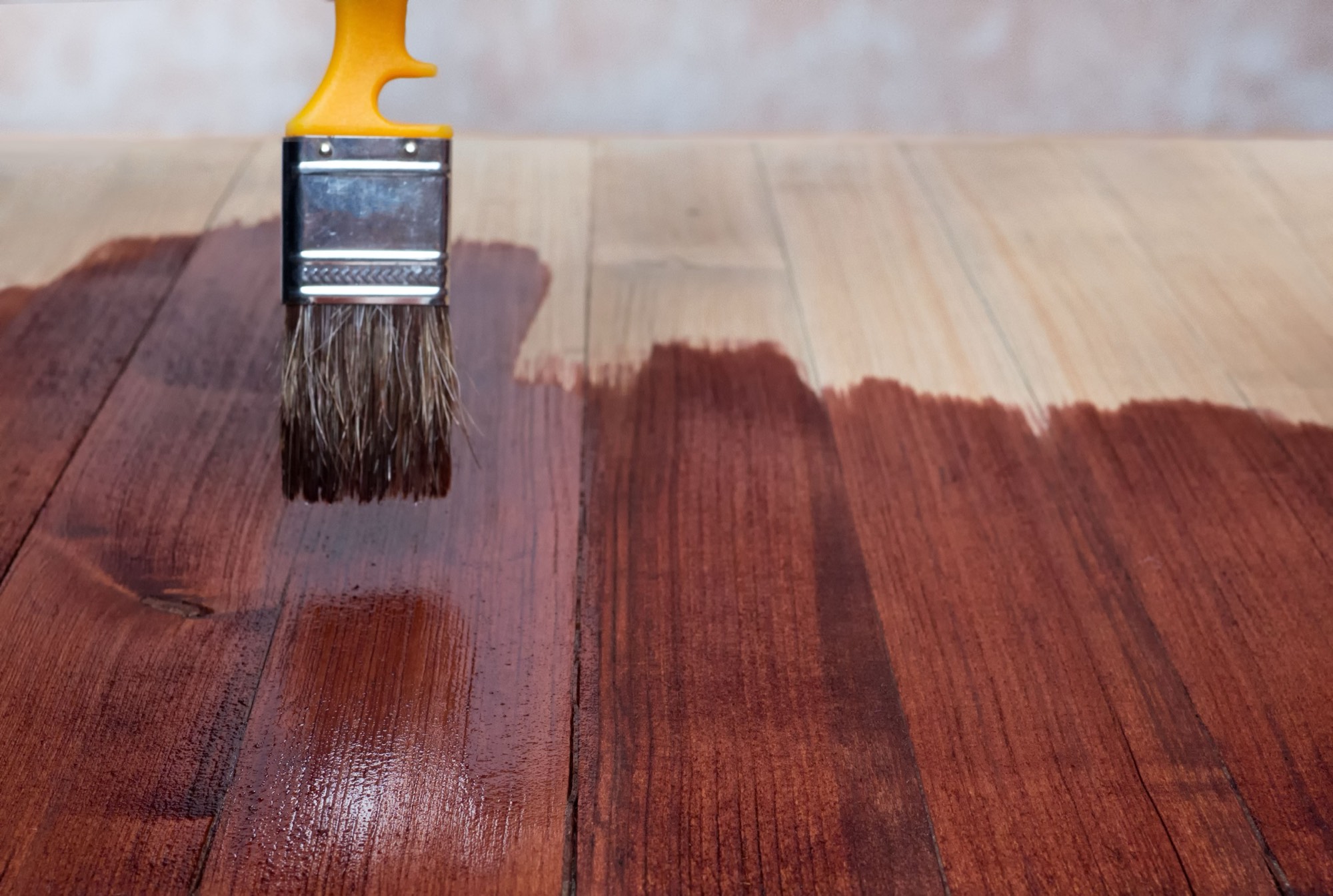
Scratch resistance and surface feel on furniture and interior wood.
Rub resistance on the finished print.
Slip and abrasion resistance over the print.
Can and coil coatings.
Matting and surface protection in powder systems.
It is specified where the formulation needs abrasion and scratch resistance, rub resistance in printing inks, matting in conventional and powder coatings, and a lower coefficient of friction.
Wax PE disperses easily and can be incorporated with a common high-speed stirrer. In low viscosity systems a high shear dispersing unit may be needed to disperse it properly.
Keep the process temperature below 45 °C. Above that the wax starts to soften and the particle size distribution that produces the effect is lost.
A pre-mix can be prepared in a solvent phase at around 30 to 45 percent depending on the solvents used. For waterborne coatings, Deuteron WD PE is the same wax already dispersed and easier to use.
Package sizes: Paper bag, 15 kg net.
Storage: 24 months at room temperature in dry conditions. Storage temperature should not exceed 35 °C.
Under Regulation (EC) No. 1272/2008 Deuteron Wax PE is not classified as a dangerous product and does not require hazard labeling. The safety data sheet and the regulatory information sheet carry the detail your review will want.
Because the wax is doing its job as a discrete particle. The melting point is 101 °C, but the material starts to soften and agglomerate well below that, and once the particle size distribution goes, so does the scratch resistance and the matting. Keep the batch under 45 °C during incorporation.
WD PE, in most cases. It is the same polyethylene wax already dispersed in water at 50 percent active, with no dispersing additives, emulsifiers or defoamers in it, and it meters through an automatic dosing unit. Wax PE is the powder, and dispersing a powder into water takes work you do not need to do.
Wax PE melts at 101 °C and Wax PP/2 at 138 °C. Choose the polypropylene grade when the system sees more heat, or when you want its polishing resistance and its effect on settling of silica and fillers. Wax PE is the more economic general purpose choice.
0.5 to 3.0 percent on the complete formulation. Where you land depends on the binder, the application and how much of the effect you want. Tell us the system and we will suggest a starting level.
Yes. We send the Technical Data Sheet (TDS), Safety Data Sheet (SDS), and Regulatory Information Sheet on request, in the manufacturer's current revision. Use Request TDS or SDS above and tell us what your qualification review needs.
Amide wax for velvet feel, sanding and wood grain enhancement.
Polypropylene wax at a 138 °C melting point.
The same wax pre-dispersed in water for waterborne systems.
The full Deuteron range PAT supplies, and what each family does in a film.
Slip and surface control without a fluoropolymer.