Deuteron LE 829
Liquid antistatic additive for polyurethane compounds, carried in 1,4-butanediol. Reaches under 50 megohm in a polyester foam at 2.5 percent, and its hydroxyl value of 180 has to be counted in the cross-link.
Liquid antistatic additive for polyurethane compounds, carried in 1,4-butanediol. Reaches under 50 megohm in a polyester foam at 2.5 percent, and its hydroxyl value of 180 has to be counted in the cross-link.
Deuteron LE 829 is a liquid antistatic agent for polyurethane compounds based on polyester and polyether polyols. The active is a tetraalkylammonium ethyl sulphate, and it is supplied combined with 1,4-butanediol.
Its polarity is high, so it lowers the electrical resistance of a polyurethane foam noticeably at small additions. Deuteron states that adding 2.5 percent to a polyester compound of 0.6 g/cm³ density gives a resistance under 50 megohm, which meets the electrical resistance requirement of EN 344.
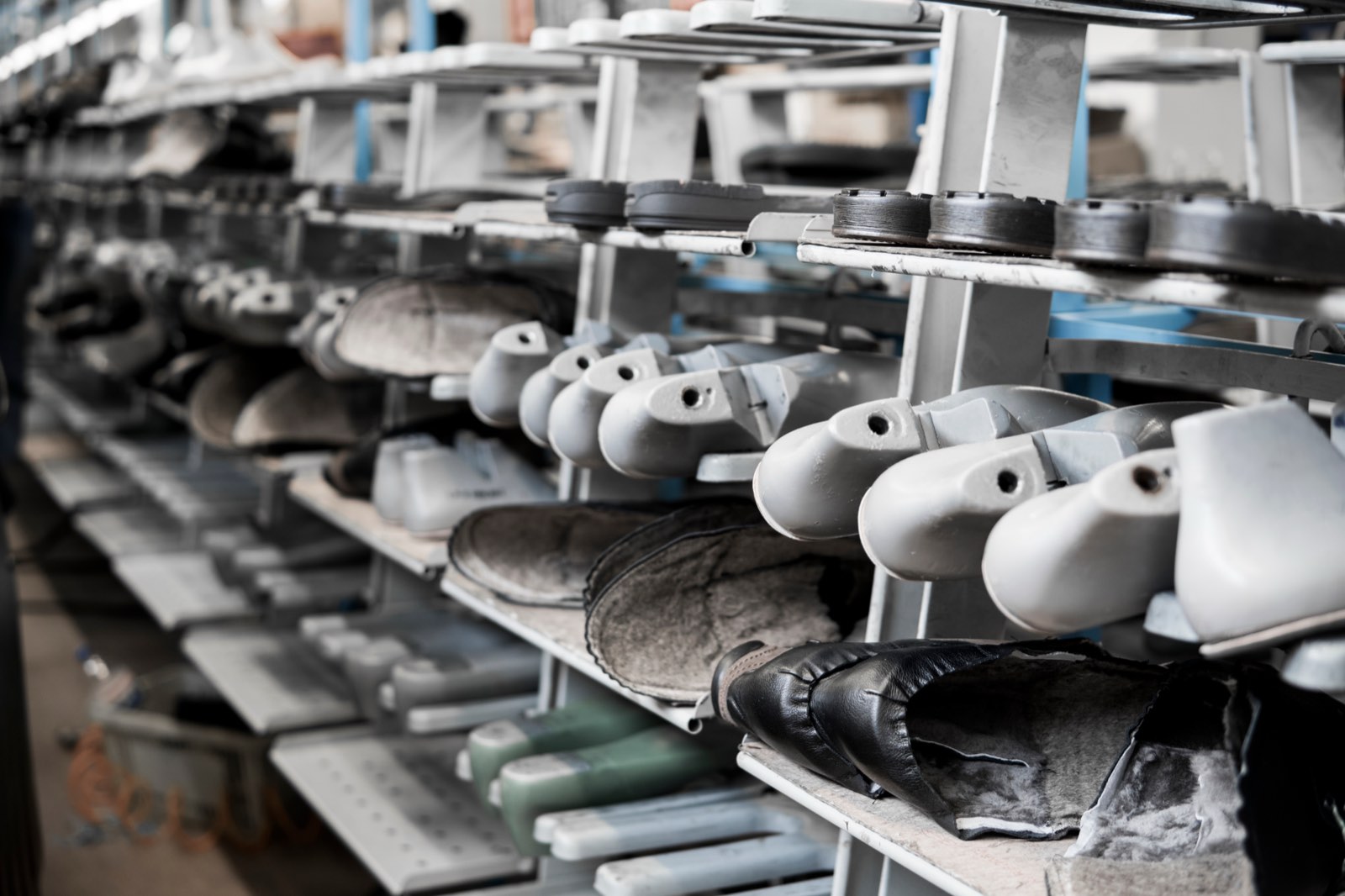
The application Deuteron writes the sheet for is antistatic footwear: soles that have to meet EN 344, and shoes for computing and medical environments.
The 1,4-butanediol matters to anyone dosing this into a reactive system. LE 829 has a hydroxyl value of approximately 180, and Deuteron says that value has to be considered to ensure optimal cross-linking.
LE 829 is the current grade in the position LE 947 used to hold. If a formulation or an old specification calls for LE 947, LE 829 is what Deuteron supplies now.
It is also written as quaternary ammonium compound, quat antistatic, tetraalkylammonium ethyl sulphate, tetraalkylammonium methyl sulfate, antistatic agent for polyurethane foam, and butanediol carried antistat.
| Property | Typical value |
|---|---|
| Appearance | Light yellow liquid |
| Chemical description | Tetraalkylammonium ethyl sulphate combined with 1,4-butanediol |
| Viscosity | approx. 400 mPa.s |
| Specific weight | approx. 0.98 g/cm³ |
| pH, 1 percent in distilled water | approx. 8 |
| Acid value | less than 7 |
| Hydroxyl value | approx. 180 |
| Flash point | Does not apply |
Dosage: No fixed recommendation applies. The dose depends on the formulation, the density of the foam and the resistance the finished part has to reach. Deuteron's worked example is 2.5 percent on the total polyester compound at 0.6 g/cm³ density, giving under 50 megohm and meeting EN 344. Higher additions lower resistance further, with a possible effect on the physical properties of the finished part, so the level has to be settled by trial.
Typical values from the manufacturer's technical data sheet. They describe the product, they are not a specification. We will send the current TDS and the batch documentation your qualification needs.
Tell us the binder system, the property you are targeting, and the volume you expect. We will confirm the grade, send the documentation, and ship a sample from North American stock.
Polyurethane soles required to meet the electrical resistance of EN 344.
Special shoes where static has to dissipate.
The system Deuteron's worked dosage example is run in.
Named on the technical data sheet alongside polyester.
It is specified where the formulation needs lowers electrical resistance of polyurethane at small additions, reaches the EN 344 resistance requirement at a stated, worked dose, liquid, added in delivery form with no heating step, and hydroxyl value published, so it can be counted in the cross-link.
LE 829 is added to the compound in its delivery form, at room temperature or below. It must not be warmed up.
It solidifies at low temperatures and liquefies again on storage at room temperature.
Package sizes: Sheet steel hobbock UniGrip 25 kg net, or steel barrel with lid 200 kg net.
Storage: At least 24 months in the original tightly closed containers at room temperature. LE 829 solidifies at low temperatures and returns to liquid at room temperature.
Under Regulation (EC) No. 1272/2008 Deuteron LE 829 is classified as a dangerous product and must be labeled. Read the safety data sheet before handling. Labeling requirements differ by region, so check the safety data sheet issued for your country.
LE 829 is the grade Deuteron supplies in that position now. An old formulation or specification calling for LE 947 should be reviewed against the LE 829 data sheet, and the hydroxyl value is the first number to check because it goes into the cross-link.
Yes, and that is the point of publishing the hydroxyl value. LE 829 has a hydroxyl value of approximately 180 and Deuteron says it has to be considered for optimal cross-linking. Count those hydroxyl groups in the stoichiometry the way you would count any other polyol or chain extender.
Deuteron gives no fixed figure because it depends on the formulation, the foam density and the resistance target. The worked example on the data sheet is 2.5 percent on a polyester compound at 0.6 g/cm³, which gives under 50 megohm and meets EN 344. More lowers resistance further and can affect the physical properties of the part, so settle the level by trial.
The data sheet is written for polyurethane foam and antistatic soles, and it does not carry cast elastomer data. What it does give you is the information that decides the question: the active is a quaternary ammonium antistat, the carrier is 1,4-butanediol, and the hydroxyl value is approximately 180. Ask us and we will put the question to Deuteron for your system rather than have you infer it from the sheet.
LE 829 carries 1,4-butanediol and is written for polyurethane compounds. LE 100 LV is 100 percent active and carries nothing, which is the one to use when the system will not accept an added hydroxyl or solvent. LE 50 is 50 percent active in butanol for electrostatic spray paints, and LE 15P is a powder on a silica carrier for extrusion and powder coatings.
Yes. Under Regulation (EC) No. 1272/2008 it is classified as a dangerous product and requires labeling, as all the Deuteron LE antistatics are. Read the safety data sheet for your region before handling.
Formulators who ran Catafor CA-100 have asked us about LE 829. Both are quaternary ammonium antistats for polyurethane, which is why the question comes up. PAT has not run a validated comparison and Deuteron has not published one, so treat a swap as something to trial. LE 829 is carried in 1,4-butanediol with a hydroxyl value of approximately 180, so it enters your cross-link and has to be counted there. And the Deuteron data sheet is written for polyurethane foam and antistatic soles, so it carries no cast elastomer data. Tell us the system you are running and we will put the substitution question to Deuteron.
Yes. We send the Technical Data Sheet (TDS), Safety Data Sheet (SDS), Regulatory Information Sheet, and Conductivity Agents brochure on request, in the manufacturer's current revision. Use Request TDS or SDS above and tell us what your qualification review needs.
100 percent active, carrier free, for systems that will not take an added hydroxyl.
50 percent active in butanol, for electrostatic spray paints.
Powder on a silica carrier, for extrusion and powder coatings.
How to substitute one quat grade for another in a polyurethane system, and the humidity-conditioned trial.
Setting surface resistivity in coatings, plastics and flooring.
The full Deuteron range PAT supplies, and what each family does in a film.