e-Technipol PA 3162
Copolyamide hot melt for electronics, 162 °C softening point, 3.8 Pa·s at 210 °C and flexible to minus 50 °C. For low pressure molding, potting and overmolding.
Copolyamide hot melt for electronics, 162 °C softening point, 3.8 Pa·s at 210 °C and flexible to minus 50 °C. For low pressure molding, potting and overmolding.
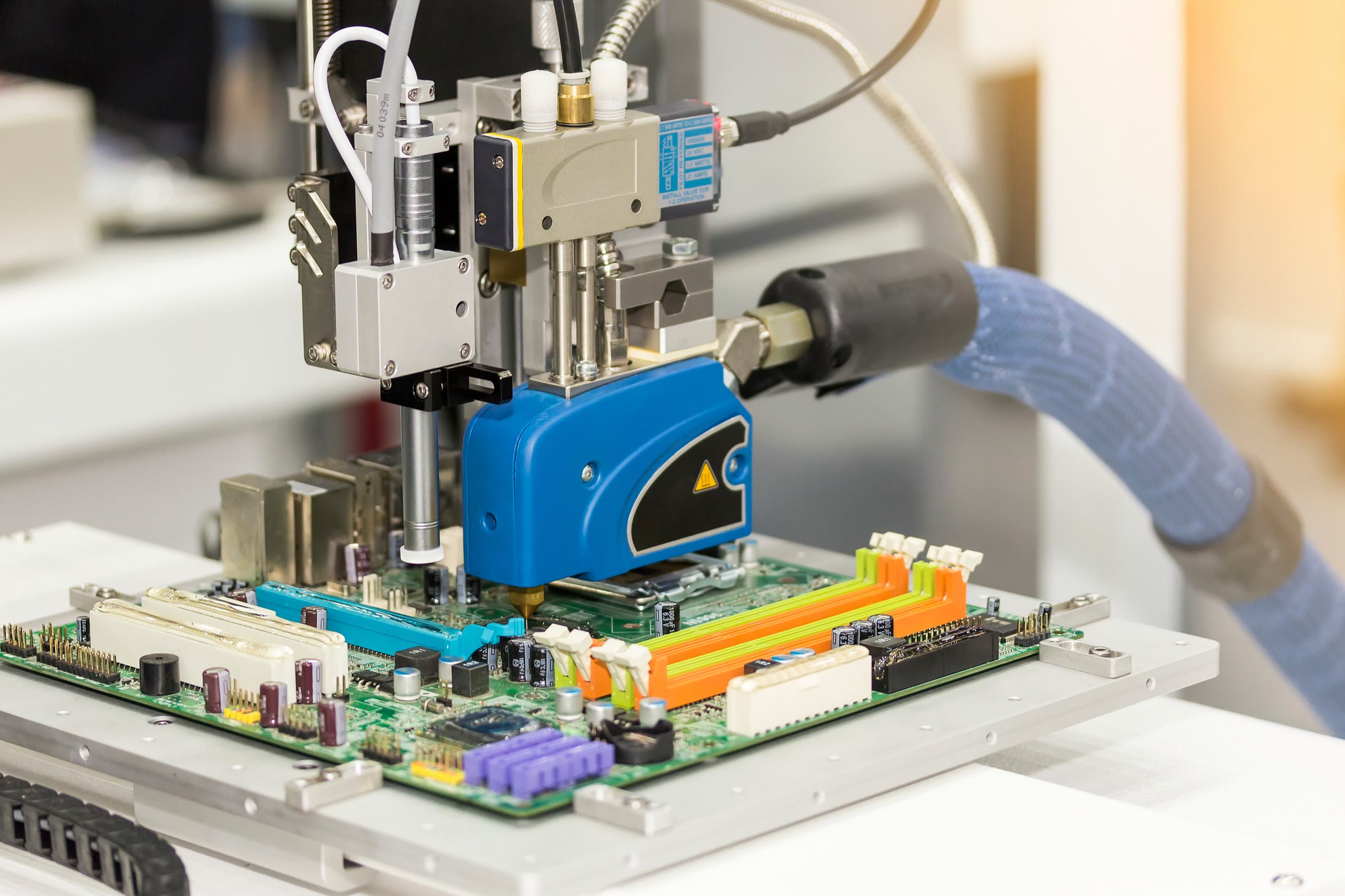
e-Technipol PA 3162 is an amber copolyamide hot-melt adhesive with a softening point of 162 °C, a Brookfield viscosity of 3.8 Pa·s at 210 °C and low-temperature flexibility to minus 50 °C by ASTM D3111. Sipol developed it for the electrical and electronics sector, for melters, low pressure molding, potting and overmolding.
Sipol credits it with excellent resistance at low temperatures and excellent adhesion to metals and polar plastic substrates such as PVC and PC. It is the softest of the six e-Technipol PA grades listed here, Shore D 25 falling to 19 after 15 s, with a 45 MPa flexural modulus and 250 percent elongation at break.
The Vicat softening temperature is 40 °C (ISO 306, 1 N), well below the 162 °C softening point. Compare the upper service temperature of a molded part with the Vicat figure as well as the softening point.
Electrical values are a surface resistivity of 3.31 × 10¹² Ω, a volume resistivity of 1.61 × 10¹⁰ Ω·cm, a relative permittivity of 4.55, a dissipation factor of 0.0521 and a comparative tracking index above 600 V. The data sheet lists a UL94 row but gives no rating for this grade.
e-Technipol PA 3162 B is the black version, with identical typical values on its own data sheet, and Sipol supplies other colors on request. Both contain more than 61 percent raw materials from non-edible renewable resources.
It is also written as copolyamide hot melt adhesive, co-polyamide hot melt, polyamide hot melt adhesive, polyamide low pressure molding material, thermoplastic polyamide adhesive, and CoPA.
| Property | Typical value |
|---|---|
| Softening point | 162 °C (Sipol method MI 13) |
| Vicat softening temperature | 40 °C (ISO 306, 1 N, 50 °C/h) |
| Low-temperature flexibility | -50 °C (ASTM D3111) |
| Linear thermal expansion, lengthwise | 257 ppm/K, 23 to 120 °C (ISO 11359) |
| Linear thermal expansion, crosswise | 306 ppm/K, 23 to 120 °C (ISO 11359) |
| Thermal conductivity | 0.167 W/(m·K) (ASTM E1461) |
| Brookfield viscosity | 3.8 Pa·s at 210 °C (Sipol method MI 12, Brookfield CAP 2000+ cone and plate) |
| Shore D hardness | 25 instantaneous, 19 after 15 s (ISO 868) |
| Elongation at break | 250 percent (ISO 527) |
| Stress at break | 3 MPa (ISO 527) |
| Flexural modulus | 45 MPa (ISO 178) |
| Surface resistivity | 3.31 × 10¹² Ω at 23 °C (IEC 62631-3-1:2016) |
| Volume resistivity | 1.61 × 10¹⁰ Ω·cm at 23 °C (IEC 62631-3-1:2016) |
| Relative permittivity | 4.55 (ASTM D150:2018) |
| Dielectric dissipation factor (tan δ) | 0.0521 (ASTM D150:2018) |
| Comparative tracking index (CTI) | Above 600 V (ASTM D3638:2012) |
| Density | 0.98 g/cm³ (ISO 1183) |
| Water absorption | 1.77 percent, 23 °C, 24 h immersion (Sipol method MI 08) |
| Skin time resistance at 210 °C | more than 4 h |
| Renewable raw materials | More than 61 percent, from non-edible renewable resources (Sipol data sheet) |
| Color | Amber; black as e-Technipol PA 3162 B; other colors on request |
| Form | Granules |
| Versions | e-Technipol PA 3162 (amber), e-Technipol PA 3162 B (black), identical typical values |
Typical values from the manufacturer's technical data sheet. They describe the product, they are not a specification. We will send the current TDS and the batch documentation your qualification needs.
Tell us the part or the process, the property you are targeting, and the volume you expect. We will confirm the grade, send the documentation, and get a sample of the candidate grade to you.
Sipol lists low pressure molding for PA 3162, at 3.8 Pa·s at 210 °C.
Named on the data sheet among the processes PA 3162 can be used in.
Sipol lists overmolding for PA 3162 alongside low pressure molding.
Melter profile from 170 to 200 °C at the pre-heating grid to 185 to 210 °C at the nozzle.
Sipol lists excellent adhesion to metals.
Excellent adhesion to polar plastic substrates, with PVC and PC named.
Sipol's suggested melter profile: pre-heating grid 170 to 200 °C, tank 180 to 200 °C, hose 185 to 210 °C, nozzle 185 to 210 °C.
Sipol's processing data cover melters only. Settings for low pressure molding, potting and overmolding depend on the mold and the machine, and are set in trials.
Sipol rates skin time resistance at 210 °C at more than 4 hours.
Package sizes: 20 kg bags with an aluminum film moisture barrier, 500 kg cardboard octabins with an inner PE liner, and 500 kg big bags..
Storage: Stable for 24 months unopened in the original packaging, kept in a cool, dry place and protected from light. Material held at around 5 to 10 °C or below should stand at 15 to 20 °C for at least 24 hours before use.
Sipol describes e-Technipol PA 3162 as solvent-free and non-toxic. Read the safety data sheet before handling.
Yes. Sipol states that e-Technipol PA 3162 can be used in melters and in low pressure molding, potting and overmolding. It softens at 162 °C and measures 3.8 Pa·s at 210 °C. The data sheet gives a melter profile of 170 to 200 °C at the pre-heating grid, 180 to 200 °C in the tank and 185 to 210 °C at the hose and nozzle. Mold and machine settings are set in trials.
e-Technipol PA 3162 has a low-temperature flexibility of minus 50 °C by ASTM D3111, the lowest figure among the e-Technipol PA grades listed here, and Sipol credits it with excellent resistance at low temperatures. At room temperature it is soft, Shore D 25, with 250 percent elongation. Its Vicat softening temperature is 40 °C, so check the warm end of the service range against that figure too.
The e-Technipol PA 3162 data sheet lists a UL94 row but gives no rating for this grade. Where a V0 rating is required, e-Technipol PA 3168, PA 3186, PA 3188 and PA 3192 each report UL94 V0 on their data sheets. PA 3162 does carry the full electrical table, including a comparative tracking index above 600 V and a volume resistivity of 1.61 × 10¹⁰ Ω·cm.
e-Technipol PA 3162 softens at 162 °C and is Shore D 25; e-Technipol PA 3170 softens at 170 °C and is Shore D 33. Both have a 40 °C Vicat temperature and the same melter profile. PA 3162 stays flexible to minus 50 °C against minus 40 °C, while PA 3170 gives more elongation, 350 percent against 250, and lower water absorption, 1.12 percent against 1.77.
Yes. We send the Technical Data Sheet (TDS) and Safety Data Sheet (SDS) on request, in the manufacturer's current revision. Use Request TDS or SDS above and tell us what your qualification review needs.
Firmer at Shore D 33 and 170 °C, with 350 percent elongation.
Flexible to minus 45 °C with UL94 V0 and a 192 °C softening point.
Very low viscosity potting grade, 0.7 Pa·s at 205 °C.
The Technipol and Technipol PA range by softening point and use.
Low pressure molding, potting and overmolding, and how the e-Technipol PA grades compare.