ROWAKRYL
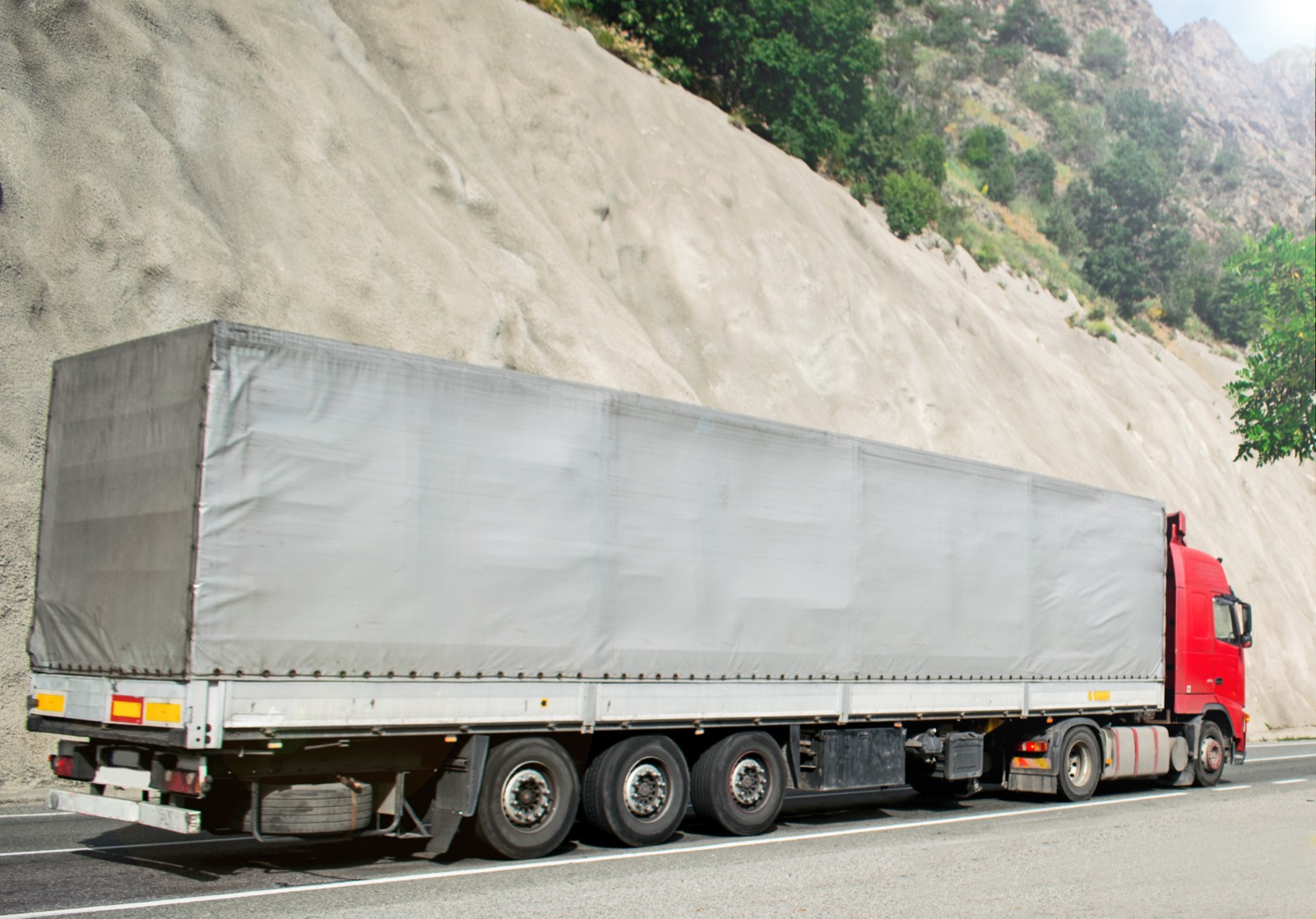
The volume acrylic topcoat for PVC-coated fabric. Truck covers, awnings, halls and tents, roofing membrane, print media, synthetic leather and pool liner, in solvent and water.
The volume acrylic topcoat for PVC-coated fabric. Truck covers, awnings, halls and tents, roofing membrane, print media, synthetic leather and pool liner, in solvent and water.
ROWAKRYL is the acrylic half of the ROWA Lack range and the widest family in it. Twenty-two grades are published, covering PVC-coated polyester tarpaulin, PVC and TPO roof membrane, print media, PVC synthetic leather, book cover, tablecloth and swimming pool liner, in both solventborne and waterborne form.
Acrylic is the default topcoat chemistry for outdoor PVC-coated fabric because it does four jobs at once. It resists weathering and UV, it slows the migration of plasticizer out of the PVC, it leaves a soil-resistant surface that cleans easily, and most grades keep the material high-frequency weldable so a fabricator can still seam it.
Solids run from 13.4 to 45.8 percent across the family. The low end is a thin functional film on tarpaulin, the high end is the waterborne two-component anti-graffiti grade for synthetic leather. Waterborne grades sit between 19.5 and 30 percent and carry more solids than their solvent equivalents, which changes the wet film a line has to lay down.
Gloss level is set by the grade, not by an additive. A G prefix is a gloss grade and an M prefix is a matt grade. The pool liner pair is intermixable, so a coater can blend G-35412 and M-35427 to land a sheen between the two.
Every grade in the published range is SVHC-free.
| Property | Typical value |
|---|---|
| Chemistry | Acrylic |
| Delivery form | Solution, solventborne or waterborne |
| Solids content | 13.4 to 45.8 percent depending on grade |
| Waterborne solids range | 19.5 to 30.0 percent |
| Solvents used | MEK, PMA, acetone, THF, IPA in the solvent grades; water with EDG, BG or IPA in the waterborne grades |
| Gloss | Set by grade. G prefix gloss, M prefix matt |
| Published grades | 22 |
| SVHC status | SVHC-free across the published range |
Dosage: Applied as a coating, not dosed into a formulation. Film build is typically 4 to 6 g per square meter dry on tarpaulin grades and 8 to 10 g per square meter dry on the heavier synthetic leather and automotive grades. Confirm the target on the data sheet for the grade you run.
Typical values from the manufacturer's technical data sheet. They describe the product, they are not a specification. We will send the current TDS and the batch documentation your qualification needs.
Tell us the binder system, the property you are targeting, and the volume you expect. We will confirm the grade, send the documentation, and get a sample of the candidate grade to you.
G-34643 and G-35089 in solvent, G-35326W and G-35397W waterborne. The volume tarpaulin lane, where weldability and plasticizer barrier both matter.
G-34316W, waterborne at 27 percent solids, for PVC and TPO roof membrane.
G-35167, G-35376 and G-35377 in solvent, M-35023W and G-35150W waterborne. Optimized so ink adheres and the print profile holds across different base materials.
M-34592 matt, G-34593 gloss and M-35366 matt, all with mar resistance. M-35200W is the waterborne semi-gloss anti-graffiti grade.
M-34262W for PVC trunk cover with anti-blocking, M-34811W as a waterborne primer and M-34818W as the waterborne matt topcoat.
G-35412 gloss and M-35427 matt, intermixable so the sheen can be tuned. Built for chlorine or salt water plus daily UV.
G-34944W and M-34945W for book cover, G-34870W and M-35030W for PVC tablecloth. All waterborne.
It is specified where the formulation needs weather and UV resistance on outdoor PVC-coated fabric, reduced plasticizer migration out of the PVC, soil resistance and easy cleaning, high-frequency weldability retained on most grades, abrasion and mar resistance, ink adhesion and consistent print profile on print media grades, and anti-graffiti and solvent resistance on the two-component grades.
Stir well before use and filter before application. These are solutions carrying functional solids and both steps are on ROWA's data sheet for every grade.
Rotogravure and magnet bar are the application methods the range is written for. Drying is short and hot: about one minute at 100 to 160 degrees C depending on the grade and the line.
Two-component grades need a ROWASET crosslinker added at the ratio the data sheet gives, usually a few percent. The waterborne anti-graffiti system built on M-35200W, M-35252W and G-35294W uses ROWASET 63762 and holds a pot life over eight hours, so a shift runs on one mix.
That anti-graffiti system goes straight onto the coated web with an anilox roller or a doctor blade, dries for one minute at 140 degrees C, and sits over a ROWATHAL M-25100W or G-25106W primer where the substrate needs one.
Waterborne grades carry higher solids than their solvent counterparts at the same job, so a line converting from solvent has to re-set the wet film weight rather than match the old setting.
Package sizes: Made to order in the pack size the run needs. Tell us the volume and we will confirm.
Storage: Dry, at room temperature, in the original airtight container. Shelf life is 6 months in the sealed original pack on most grades whose data sheets we hold; the waterborne G-35326W carries 3 months. Confirm the figure on the current data sheet for your grade.
Every grade in ROWA's published ROWAKRYL range is SVHC-free. Refer to the current safety data sheet for hazard classification and handling, and note that the solventborne grades and the waterborne grades classify differently.
On most grades yes, and it is one of the reasons acrylic is the default for tarpaulin. Weldability is a per-grade property though, and a heavier or harder film can interfere with the seam. Tell us the seam method before the grade is fixed and we will confirm it against the data sheet.
Plasticizer works its way to the surface of a flexible PVC over time, where it collects dirt, hardens the material behind it and can attack whatever sits on top. A topcoat acts as a barrier layer that slows that transport. It does not stop it, so judge the barrier by how long the finished material has to hold its surface.
G is gloss and M is matt. The prefix carries no chemistry meaning, only the finish. The pool liner pair is intermixable, so blending G-35412 with M-35427 lands a sheen between the two.
In most of the lanes yes. Truck cover, print media, roofing membrane, book cover, tablecloth, automotive foil and synthetic leather all have waterborne grades in the published range. The waterborne grade is not a drop-in: solids are higher, the drying window differs and the line settings have to be re-established. We run the trial with you.
Made to order. Lead time runs several weeks from the German plant, so a first order works best planned against a trial rather than a shortage. Send us a piece of your base material and we will have the candidate grade coated on it and returned before you commit.
Yes. We send the Technical Data Sheet (TDS), Safety Data Sheet (SDS), SVHC statement, and ISO 9001 certificate on request, in the manufacturer's current revision. Use Request TDS or SDS above and tell us what your qualification review needs.
The PVDF family for architectural membrane and the premium pool liner, where weathering runs harder than acrylic covers.
The polyurethane family for automotive foil and synthetic leather, where mar resistance and hand come first.
The crosslinkers that cure the two-component ROWAKRYL systems, plus the slip and surface additives.
Transfer-coating gloss topcoats applied on release paper for synthetic leather.
The full ROWA Lack range PAT supplies and what each chemistry is for.
Acrylic against polyurethane against PVDF, by end use, with solids and one-component against two-component.
What the barrier layer is actually doing and how to judge it.