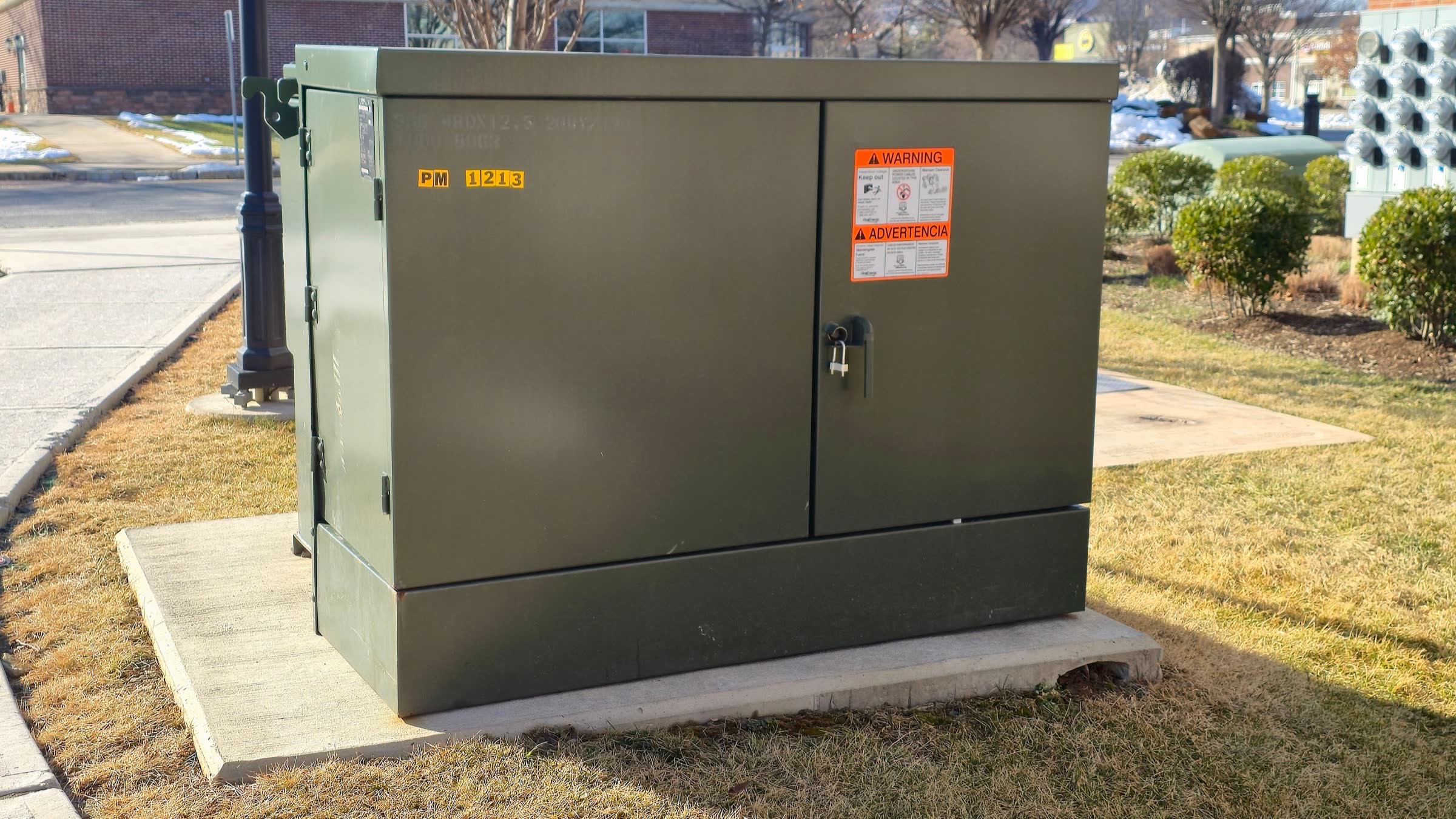
What natural ester transformer oil is
Natural ester transformer fluid is refined vegetable oil: a blend of triglycerides, CAS 68956-68-3, with a small antioxidant additive package. It fills the tank of a liquid-filled transformer and does the two jobs mineral oil does there. It insulates the windings and it carries heat from the coils to the tank walls and radiators.
The differences are the fire point, which sits above 300 °C against about 170 °C for mineral oil, the amount of water it can hold, and ready biodegradability. The same material is sold as natural ester transformer oil, vegetable oil transformer fluid, vegetable-based dielectric fluid and natural ester insulating liquid.
Three documents govern it in the US. ASTM D6871 is the purchase specification for new natural ester fluid. IEEE C57.147 is the guide for accepting it into a transformer and maintaining it there, including retrofill. IEC 62770 is the international specification for unused natural esters.
Our fluid is supplied to ASTM D6871 and handled to IEEE C57.147 limits for drums and totes.
Why the base oil is high-oleic
Oxygen attacks a vegetable oil at its carbon-carbon double bonds. Oleic acid (C18:1) carries one, linoleic acid (C18:2) two and linolenic acid (C18:3) three, and their relative oxidation rates have been measured at about 1 to 10 to 20. In a transformer, oxidation shows up as rising viscosity and rising acid number.
Conventional soybean oil is about 62 percent polyunsaturated. High-oleic sunflower and high-oleic soybean oils carry 84 to 85 percent oleic acid and single-digit polyunsaturates, so the fraction that oxidizes fastest is cut by roughly ten times. The other half of the choice is cold flow: saturated fats raise the pour point, so the target is high oleic with low saturates.
Fire point, K-class and NEC 450.23
A natural ester has a fire point of about 350 to 360 °C and a flash point above 315 °C, both measured Cleveland open cup (ASTM D92). Mineral oil burns at about 170 °C. IEC 61039 calls any insulating liquid with a fire point above 300 °C K-class, and natural esters sit in K2. The US code term is less-flammable liquid.
The practical value is placement. A less-flammable fluid is the reason a padmount can stand close to a building wall, a data hall or a battery yard, and the reason a transformer can go indoors without a vault under the right conditions.
NEC 450.23 sets those conditions for transformers insulated with a listed less-flammable liquid with a fire point of at least 300 °C: a non-combustible building at 35 kV or less with liquid containment, automatic fire suppression with containment, or a vault, plus any restrictions written into the fluid's listing. The fire point is a property of the fluid. The listing is a separate certification held for a specific product, and this page does not claim one. If your installation depends on 450.23, tell us when you request a quote and we will confirm in writing what documentation comes with the supply.
Specifying fluid for a new or relocated unit?
Send us the kVA, the gallons, the tank type and the code or insurer requirement you are working to. We will come back with the documentation and a quote.
Request a Quote
Moisture tolerance and paper life
A transformer's life is the life of its paper. The kraft paper and pressboard around the windings cannot be replaced without a rebuild, and they age through heat, water and oxygen. Each of the three shortens the cellulose chains, and the aging itself makes more water and acid.
Mineral oil saturates at about 55 to 65 ppm of water at 20 °C, so nearly all the water in a mineral-oil transformer sits in the paper. A natural ester saturates at about 1,000 to 1,100 ppm. Water moves out of the paper into the fluid and stays dissolved there, and some of it is consumed by hydrolysis of the ester. Drier paper ages more slowly, which is why natural ester is used to rescue units with wet insulation as well as in new builds.
The same property sets the handling. Natural ester picks up moisture from air more readily than mineral oil, so drums and totes stay sealed until use, and IEEE C57.147 caps water at 100 mg/kg for new fluid received in drums and totes.
Biodegradability
Natural esters are readily biodegradable by OECD 301 test methods, meaning they break down by at least 60 percent within a 10-day window of a 28-day test. Mineral oil is not readily biodegradable. A leak at a pad near a waterway, a well or landscaped ground is a smaller cleanup with ester. Containment requirements are set by the local regulator and the site's spill plan.
Natural ester, mineral oil, synthetic ester and silicone
Typical values for each fluid family. Individual products vary, so compare data sheets for the fluids you are choosing between.
| Property | Mineral oil | Natural ester | Synthetic ester | Silicone |
|---|
| Chemistry | Refined naphthenic petroleum oil | Vegetable oil triglycerides | Pentaerythritol tetraester | Polydimethylsiloxane |
| Fire point | About 170 °C | About 350 to 360 °C | About 316 °C | About 370 °C |
| IEC fire class | O | K2 | K3 | K3 |
| Viscosity at 40 °C | About 9 cSt | 32 to 37 cSt | About 29 cSt | About 40 cSt |
| Water saturation at 20 °C | 55 to 65 ppm | 1,000 to 1,100 ppm | About 2,700 ppm | Low hundreds of ppm |
| Readily biodegradable | No | Yes | Yes | No |
| Free-breathing tank | Yes | No, sealed only | Yes | Yes |
| Typical use | Utility units and large power transformers | Padmounts, retrofills, data-center, solar and BESS step-ups, indoor and near-building units | Wind turbine nacelles, traction, free-breathing and cold-climate units | Indoor and older network units |
Sealed tanks only
Natural ester oxidizes and thickens in contact with air. A thin film left exposed goes tacky within days and eventually polymerizes. IEC 62770 restricts natural esters to sealed tanks or conservators sealed from air by a membrane or bladder, and that is the right rule to work to. Sealed padmounts, pole units and sealed power transformers are the fit. A free-breathing unit is better served by mineral oil or a synthetic ester.
Natural ester is also about four times as viscous as mineral oil at 40 °C, with a pour point of -10 °C or lower by specification. In cold weather, warm drums and totes above 10 °C (50 °F) before pumping, using a drum heater or a warm room with the vent loosened first.
Retrofilling a mineral-oil transformer
A retrofill drains a working mineral-oil transformer and refills it with natural ester. Owners do it to bring the fire risk down on a unit near a building, to cut spill exposure on a sensitive site, or to dry out aging paper without replacing the transformer. IEEE C57.147 covers retrofill practice.
The usual sequence starts with a sample of the mineral oil and a baseline dissolved gas analysis (DGA). The unit is de-energized, drained, and left to drip. Distribution units get a rinse with natural ester at about 5 to 10 percent of the fluid volume. The tank is refilled with natural ester under vacuum, tested and energized, and sampled again once the mineral oil held in the paper has migrated out, typically over weeks to months.
The paper keeps releasing mineral oil after the refill. A careful job typically leaves 3 to 5 percent residual mineral oil, and around 7 percent is the level at which the fire point of the mix starts to fall toward the 300 °C line. Measure the fire point of the mixed fluid after the job. Natural ester mixes with mineral oil. It does not mix with silicone fluid, so a silicone unit is a different job.
Two things change after the refill. The higher viscosity can run the top oil a few degrees warmer than it did on mineral oil, so check the loading with the transformer manufacturer. Natural ester also gives off small amounts of hydrogen and ethane in normal service with no fault present, so tell the DGA lab the unit is ester-filled, take a new baseline after filling, and trend the gases against that baseline.
Planning a retrofill?
Tell us the number of units, the gallons per unit and when the outage is. We will quote IBCs and drums for the job and send a sample ahead of it for your own tests.
Request a Sample
Who uses natural ester fluid
Transformer repair and retrofill shops
Retrofills of mineral-oil units, refills after a rebuild, and top-up of ester-filled units in service. Drums and IBCs per job, with a CoA to put in the job file.
Industrial plants
Paper, chemical and food plants, campuses and hospitals with liquid-filled units inside or against buildings, where the fire and spill case drives the fluid choice.
Utilities and co-ops
Padmount and network units near people and buildings, and maintenance and retrofill programs on existing fleets.
Data-center and BESS step-up transformers
Padmounts beside data halls and step-up units at battery storage and solar sites, where separation distances and spill exposure set the site plan.
For a new transformer, the fluid is specified with the transformer manufacturer and usually arrives inside the unit. Shops and plant owners buy fluid directly for retrofills, rebuilds and top-up.
Acceptance limits for new fluid
A certificate of analysis ships with every lot. The limits below are the IEEE C57.147 acceptance values for new natural ester received in drums and totes, with the ASTM test method for each.
| Property | Method | Limit, new fluid in drums and totes |
|---|
| Dielectric breakdown, 2 mm gap | ASTM D1816 | 60 kV minimum |
| Water content | ASTM D1533 | 100 mg/kg maximum |
| Dissipation factor, 25 °C / 100 °C | ASTM D924 | 0.20 % / 4.0 % maximum |
| Acid number | ASTM D974 | 0.06 mg KOH/g maximum |
| Flash point, open cup | ASTM D92 | 275 °C minimum |
| Fire point, open cup | ASTM D92 | 300 °C minimum |
| Viscosity, 40 °C / 100 °C | ASTM D445 | 50 / 15 cSt maximum |
| Pour point | ASTM D97 | -10 °C maximum |
| Relative density, 15 °C | ASTM D1298 | 0.96 maximum |
| Corrosive sulfur | ASTM D1275 | Not corrosive |
| PCB content | ASTM D4059 | None detectable |
| CAS | | 68956-68-3 (vegetable oil triglycerides) |
Packaging, storage and documentation
The fluid is packaged in 1,000 L (264 gal) IBCs and 55 gal drums. A certificate of analysis ships with every lot, and the SDS and technical data sheet are available on request.
Store drums and totes sealed, indoors and dry, between 10 and 40 °C (50 to 104 °F), out of direct sun. Inspect the seals on receipt and run at least dielectric breakdown and a visual check before the fluid goes into a transformer, with water and dissipation factor recommended. Use dedicated pumps and hoses, or flush them first, bond and ground the containers during transfer, and filter at 0.5 micron just before the fluid enters the tank.
Samples are available for your own breakdown voltage, water and dissipation factor tests. Tell us the application, the gallons and the pack size you want, and we will come back with a quote and a sample.
Frequently asked questions
What is natural ester transformer oil?
Refined vegetable oil used as the insulating and cooling liquid in a transformer. It is a blend of triglycerides, CAS 68956-68-3, with a small additive package, and it does the job mineral oil does with a fire point above 300 °C and ready biodegradability. Natural ester transformer fluid, vegetable oil transformer fluid and natural ester dielectric fluid are the same material.
What is the difference between natural ester and synthetic ester transformer fluid?
Natural ester is refined seed oil. Synthetic ester is a manufactured polyol ester made from a polyol and synthetic fatty acids. Both are less-flammable and readily biodegradable. Synthetic ester tolerates air and cold better, so it is the usual choice for free-breathing units, wind turbine nacelles and arctic service, and it costs considerably more. Natural ester is the fluid for sealed distribution and power transformers and for retrofills.
Can natural ester be mixed with mineral oil?
Yes, the two are miscible, which is what makes a retrofill possible. Residual mineral oil lowers the fire point of the mix, so keep the residual low. A careful drain and rinse typically leaves 3 to 5 percent, and around 7 percent is the level at which the fire point starts to fall toward 300 °C. Measure the fire point of the mixed fluid after the job. Natural ester is not miscible with silicone fluid.
Can natural ester go in a free-breathing transformer?
It is not recommended. Natural ester oxidizes and thickens in contact with air, and IEC 62770 restricts it to sealed tanks or conservators sealed with a membrane or bladder. A free-breathing unit is better served by mineral oil or a synthetic ester.
Does a natural ester fluid qualify a transformer under NEC 450.23?
NEC 450.23 covers transformers insulated with listed less-flammable liquids that have a fire point of at least 300 °C. Natural ester fluids meet the fire point. The listing is a separate certification held for a specific product, and the installation conditions are set by the code and by that listing. If your installation depends on 450.23, tell us when you request a quote and we will confirm in writing what documentation comes with the supply.
How is the fluid packaged and what documents come with it?
1,000 L (264 gal) IBCs and 55 gal drums. Every lot ships with a certificate of analysis to the ASTM D6871 properties, and the SDS and technical data sheet are available on request. Samples are available for your own breakdown voltage, water and dissipation factor tests.