N-octyl pyrrolidone (NOP)
A linear N-alkyl-2-pyrrolidone that dissolves and wets at the same time. CAS 2687-94-7, 99.0% minimum purity, for lithographic fountain solutions, pigment dispersions, waterborne adhesives, and specialty cleaning.
A linear N-alkyl-2-pyrrolidone that dissolves and wets at the same time. CAS 2687-94-7, 99.0% minimum purity, for lithographic fountain solutions, pigment dispersions, waterborne adhesives, and specialty cleaning.
NOP is a specialty surfactant, a linear N-alkyl-2-pyrrolidone. It carries a hydrophilic, dipolar pyrrolidone ring on one end and a hydrophobic eight-carbon alkyl chain on the other, and that combination is what gives it solvency and surface activity together.
It does the work of a solvent, to dissolve or couple, and a surfactant, to wet, in one addition.
Wetting agent and isopropanol replacement in the dampening solution. Lowers surface tension so the solution spreads in a thin even film across the plate.
Wets pigment surfaces during the grind and helps the millbase stay stable afterward.
Coupling and wetting in aqueous adhesive systems, where a low-volatility liquid is easier to work with than a fast solvent.
Dissolves soils and wets the surface at once, in formulations where foam is a problem.
The fountain solution case is the one we know best. NOP goes into the concentrate as the wetting agent, alongside the gum that desensitizes the plate and the azole that protects the yellow metal. All three are on pressroom and fountain solution chemistry.
Isopropanol was the standard wetting agent in a dampening solution for decades. It is also a flammable liquid that evaporates out of an open recirculating system, which puts it in front of both VOC regulation and the plant safety case.
NOP has a closed-cup flash point of 129 °C and a boiling point of 303 °C at atmospheric pressure. It stays in the tank instead of leaving through the top of it. Low foam matters for the same reason: a fountain solution recirculates continuously, and a wetting agent that entrains air causes problems a batch process would never see.
Values below are from the PAT NOP technical data sheet.
| Property | Value | Basis |
|---|---|---|
| Appearance | Colorless liquid | Specification |
| Purity | 99.0% minimum | Specification |
| Water content | 0.5% maximum | Specification |
| Butyrolactone | 0.2% maximum | Specification |
| Color | 50 APHA maximum | Specification |
| Specific gravity | 0.92 | At 20 °C |
| Boiling point | 303 °C | At 760 mm Hg |
| Flash point | 129 °C | Closed cup |
| Freeze point | -25 °C | Property |
| Viscosity | 9 mPa·s | At 20 °C |
| CAS | 2687-94-7 | N-octyl-2-pyrrolidone |
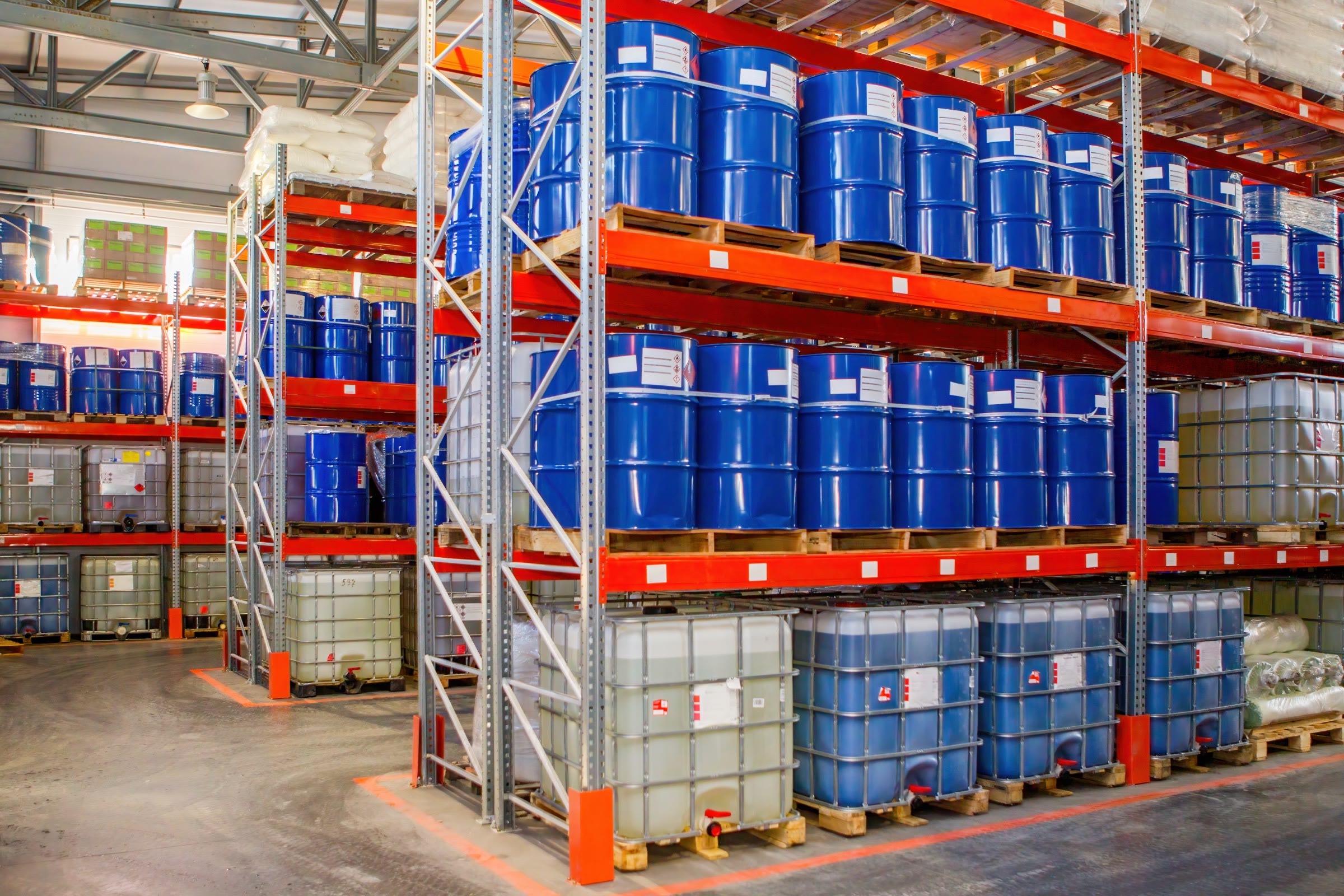
PAT NOP is packaged in 180 kg (396.82 lb) steel drums, 1,100 kg (2,425 lb) IBCs, and bulk tankers.
NOP is corrosive and can cause severe eye and skin burns. Read the Safety Data Sheet before handling it and follow normal good practice for a corrosive liquid.
A Technical Data Sheet and Safety Data Sheet are available for the product, and a Certificate of Analysis ships with the lot. Tell us the application, the annual volume and the pack size you want, and we will come back with availability and a sample.
Four applications carry the product: lithographic fountain solutions, pigment dispersions, waterborne adhesives, and specialty cleaning. The common thread is that NOP dissolves things and wets surfaces at the same time, so it does the work of a solvent and a surfactant in one addition.
It is a wetting agent and an isopropanol replacement. NOP lowers the surface tension of the dampening solution so it spreads in a thin even film across the plate, and it does that from a liquid with a 129 °C closed-cup flash point instead of a flammable alcohol. Low foam matters here too, because a fountain solution recirculates continuously.
No. They are different substances. NOP is N-octyl-2-pyrrolidone, CAS 2687-94-7, carrying an eight-carbon alkyl chain on the pyrrolidone ring. NMP is N-methyl-2-pyrrolidone, CAS 872-50-4, carrying a single methyl group. The longer chain is what gives NOP its surface activity. Read the SDS for each on its own terms rather than assuming one reads across to the other.
180 kg (396.82 lb) steel drums, 1,100 kg (2,425 lb) IBCs, and bulk tankers. NOP is corrosive and can cause severe eye and skin burns, so read the Safety Data Sheet before handling.